10 Smart Ways to Make Kids Love Coloring
10 Smart Ways to Make Kids Love Coloring
Are you looking to inspire your children’s imagination through creative play? Turning a blank page into a masterpiece requires the right approach to keep young minds engaged.
By choosing the best kids’ coloring activities, you can turn a simple hobby into a vibrant adventure. This process builds fine motor skills and boosts confidence during early development.
Many parents struggle to maintain focus during artistic sessions. These effective coloring tips provide a fresh perspective on how to nurture natural talent.
You will discover that encouraging self-expression is more important than staying within the lines. Creating a dedicated space helps your small artists feel like true professionals in their craft. Providing various mediums adds variety to their daily routine.
Key Takeaways
- Focus on variety by providing different artistic tools and mediums.
- Establish a designated creative zone to encourage frequent practice.
- Prioritize individual expression rather than staying perfectly inside lines.
- Use themed pages based on current interests to maintain high engagement.
- Participate alongside your children to model genuine joy in art.
The Benefits and Foundations of Coloring for Kids
As children engage in coloring, they are not only expressing their creativity but also developing crucial skills that will benefit them throughout their lives. Coloring is a multifaceted activity that contributes to various aspects of a child’s development, making it an invaluable part of their early years.
Developing Fine Motor Skills Through Art is a significant benefit of coloring. The act of holding crayons or pencils and maneuvering them within the lines helps improve dexterity and hand-eye coordination. According to a study published in the Journal of Applied Developmental Psychology, engaging in arts and crafts activities, including coloring, can significantly enhance fine motor skills in young children.
Developing Fine Motor Skills Through Art
Coloring requires children to grasp and manipulate coloring tools, which aids in the development of their fine motor skills. This skill is crucial for performing everyday tasks such as dressing, feeding, and eventually, writing. As children progress from using large crayons to smaller, more precise instruments like colored pencils, their ability to control their hand movements improves.
| Fine Motor Skill | Description | Benefit |
|---|---|---|
| Hand-Eye Coordination | The ability to coordinate hand movements with visual information. | Enhances overall dexterity and precision. |
| Dexterity | The skill in performing tasks, especially with the hands. | Essential for tasks like writing and dressing. |
| Grip Strength | The force exerted by the hand to hold objects. | Important for holding pencils and crayons correctly. |
Boosting Creativity and Emotional Expression
Coloring is not just about creating art; it’s also a powerful medium for Boosting Creativity and Emotional Expression. It allows children to express their feelings and thoughts in a non-verbal manner, providing them with an outlet for their emotions. As “Art is the only way to run away without leaving home.” – Twyla Tharp.
“Art enables children to express their inner world and can be a therapeutic outlet for their emotions.”
— Anna Jordan, Art Therapist
By engaging in coloring activities, children can explore different colors, textures, and patterns, fostering their creativity. This creative expression is vital for their emotional well-being and can help build confidence in their abilities.

To maximize the benefits of coloring, it’s essential to provide your child with a variety of kids’ art supplies. This includes a range of coloring tools like crayons, markers, and colored pencils, as well as different types of paper and coloring books that can stimulate their creativity.
10 Smart Ways to Make Kids Love Coloring
To encourage kids to develop a love for coloring, consider implementing these 10 smart strategies. By incorporating a mix of creativity, fun, and engagement, you can make coloring a beloved activity for your child. The key is to provide an environment that fosters creativity and makes coloring a positive experience.
Provide High-Quality Art Supplies
Investing in high-quality art supplies can significantly impact your child’s coloring experience. Washable markers, vibrant colored pencils, and a variety of paper types can make coloring more enjoyable. Look for supplies that are safe and suitable for your child’s age group.
For instance, Crayola offers a range of products that are both fun and safe for kids. The quality of art supplies can affect how much your child enjoys coloring.
Create a Dedicated Creative Space
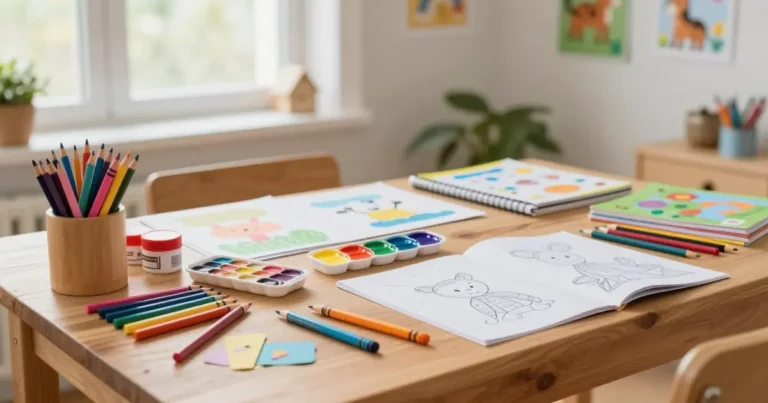
Designating a specific area for coloring can help your child associate that space with creativity and fun. This could be a corner in their room or a section of the kitchen table. Make sure it’s well-lit and comfortable.

Incorporate Favorite Characters and Themes
Using coloring books or pages featuring your child’s favorite characters can increase their interest in coloring. Many children enjoy coloring characters from their favorite TV shows or movies.
Use Coloring as a Shared Family Activity
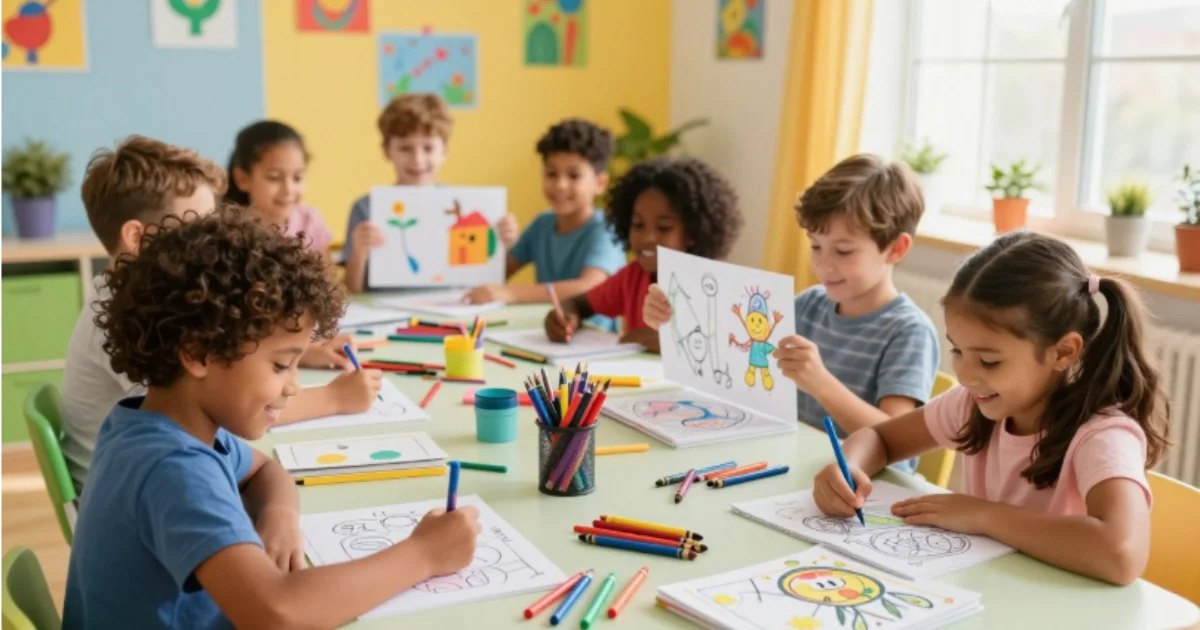
Making coloring a family activity can create lasting memories and encourage your child to color more. You can color together, share tips, and learn from each other.
| Benefits of Shared Coloring | Description |
|---|---|
| Enhanced Bonding | Spending quality time together strengthens family bonds. |
| Learning Opportunities | Sharing tips and techniques can help improve coloring skills. |
| Creating Memories | Shared activities like coloring can create lasting memories. |
Introduce Diverse Coloring Mediums
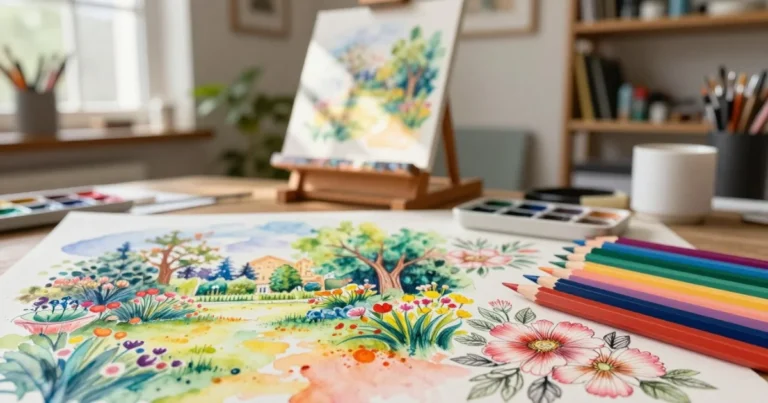
Experimenting with different coloring mediums, such as watercolors or pastels, can keep the activity interesting and prevent boredom. Each medium offers unique effects and challenges.
Gamify the Coloring Experience
Turning coloring into a game or a fun challenge can motivate your child to color more. You can set timers, create competitions, or reward their efforts.
Display Their Artwork Proudly
Displaying your child’s artwork can boost their confidence and encourage them to continue coloring. You can create a special gallery in your home or rotate their artwork periodically.
Focus on Process Over Perfection
Emphasizing the process of coloring rather than the end result can help reduce stress and make the activity more enjoyable. Praise your child’s effort and creativity.
Connect Coloring to Real-World Experiences
Relating coloring to real-world experiences or lessons can make it more meaningful and interesting. For example, coloring pictures of animals can be connected to learning about different species.
Keep Coloring Materials Accessible
Ensuring that coloring materials are easily accessible can encourage your child to color spontaneously. Store their supplies in a convenient and visible location.
Troubleshooting Common Coloring Resistance
While coloring is a valuable activity for kids, they may experience certain difficulties that need to be addressed to keep them engaged. As a parent or caregiver, understanding these challenges and finding effective solutions is crucial for fostering a lifelong love of creative activities.
Addressing Frustration with Staying Inside the Lines
One common issue kids face while coloring is frustration with staying within the lines. This can be particularly challenging for younger children who are still developing their fine motor skills. To help overcome this, you can try a few strategies:
- Use larger coloring books or pages with bigger images, allowing for more freedom and less concern about staying within the lines.
- Practice tracing and drawing exercises to improve their fine motor control and hand-eye coordination.
- Emphasize the process over perfection, praising their effort and creativity rather than the precision of their coloring.
By adopting these strategies, you can help reduce frustration and make kids’ coloring activities a more enjoyable experience.
Handling Boredom with Traditional Coloring Books
Another challenge is dealing with boredom when using traditional coloring books. Kids can quickly become disenchanted with the same old formats and themes. To combat this, consider the following approaches:
- Introduce a variety of coloring mediums, such as markers, colored pencils, or watercolors, to add diversity to their coloring experience.
- Create custom coloring pages that incorporate their favorite characters or themes, making the activity more engaging and personalized.
- Encourage them to use their imagination by starting with a blank page or by adding their own elements to existing coloring pages.
By incorporating these ideas, you can help keep kids’ coloring activities fresh and exciting, effectively overcoming coloring resistance and fostering a continued interest in creative expression.
Conclusion
By incorporating coloring into your child’s daily routine, you can help them reap the numerous benefits of coloring, from developing fine motor skills to boosting creativity and emotional expression.
As you’ve seen, making coloring for kids an enjoyable experience involves providing the right environment and tools, such as high-quality art supplies and a dedicated creative space.
By following the 10 smart ways outlined in this article, you can foster a lifelong love for art and creativity in your child, setting them up for a lifetime of self-expression and imagination.
So, get creative, have fun, and watch your child’s love for coloring grow.
FAQ
How does coloring contribute to your child’s development of fine motor skills?
When you provide your child with tools like Crayola crayons or Prismacolor pencils, they practice the precise hand-eye coordination required to manipulate the medium. This strengthens the small muscles in their hands and wrists, which is a foundational step for learning to write and performing daily tasks like buttoning a shirt or using utensils.
What are the best ways to boost your child’s creativity and emotional expression?
You can encourage emotional expression by providing a wide variety of colors and textures. Instead of insisting they use “correct” colors, let them choose a blue sun or a purple tree. Using high-quality supplies from brands like Faber-Castell allows them to explore different shades and pressures, helping them communicate feelings that they might not yet have the words to describe.
How can you use favorite characters to make coloring more engaging?
You should look for coloring books or printables featuring icons your child already loves, such as Disney princesses, Marvel superheroes, or LEGO characters. When you incorporate familiar themes from Nickelodeon or Star Wars, the activity feels less like a lesson and more like an extension of their favorite playtime stories.
Why is it important to provide high-quality art supplies rather than the cheapest options?
Higher quality materials, such as Strathmore paper or Arteza markers, provide better pigmentation and a smoother application. When you use cheap, waxy crayons that barely leave a mark, it can lead to frustration. Quality tools ensure a satisfying result, which keeps your child motivated to continue their artistic journey.
How can you create a dedicated creative space that encourages daily coloring?
You should set up a specific “art station” using a child-sized table from IKEA or a portable art cart. By keeping materials accessible and organized, you remove the barriers to entry. When your child knows exactly where their Melissa & Doug easel and supplies are, they are much more likely to choose coloring over screen time.
What should you do if your child is frustrated with staying inside the lines?
You must shift the focus from perfection to process. Remind your child that art is subjective and there are no “wrong” ways to color. You can also introduce diverse mediums like finger paints or Sargent Art pastels, where the boundaries are naturally more fluid, helping to reduce the pressure of staying within strict borders.
How does displaying your child’s artwork affect their confidence?
When you proudly display their work on the refrigerator or in a Target gallery frame, you provide positive reinforcement. This simple act validates their effort and creativity, making them feel like a “real” artist. Seeing their work as part of the home decor encourages them to take pride in their creative accomplishments.
In what ways can you gamify the coloring experience to prevent boredom?
You can turn coloring into a game by setting “challenges,” such as the “Three Color Challenge” where they must complete a Bluey coloring page using only three randomly selected markers. You can also use a timer for “speed coloring” or work together on a large Pottery Barn Kids floor mural to turn a solo activity into a shared family experience.
How can you connect coloring activities to real-world experiences?
You should try to link their art to things they see in daily life. If you visit a zoo and see a giraffe, you can suggest coloring a National Geographic wildlife page later that afternoon. This helps your child recognize that art is a way to document and interpret their personal observations and the world around them.
Why should you participate in coloring alongside your child?
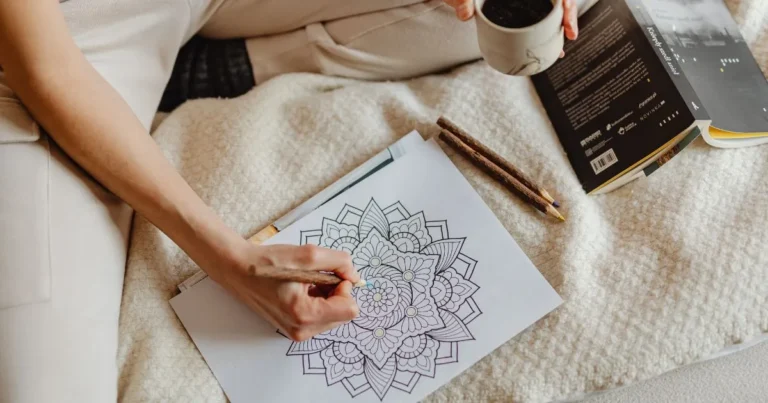
When you sit down with your own adult coloring book from Chronicle Books, you model focused engagement. Your child will see that you value the activity as a relaxing and worthwhile pursuit. This shared activity not only strengthens your bond but also provides a calm environment for open conversation and creative collaboration.