How to Turn a Coloring Page into a Beautiful Wall Art for Kids Room
Table of Contents
How to Turn a Coloring Page into a Beautiful Wall Art for Kids Room
Have you ever seen your child’s bright drawing and wished to keep it forever? Transforming a coloring page wall art kids room project is a simple way to celebrate their creativity. This method turns a quick activity into a lasting memory that makes their personal spot look great.
Creating custom decoration allows you to save money while making something truly special. These creative display concepts offer a perfect blend of fun and style for modern households. You can easily upgrade a plain nursery or play area without spending a fortune on expensive store-bought prints.
This simple process empowers you to foster pride in your little ones. By showcasing their efforts, you build confidence and add a touch of personality to your home. It is an engaging journey that yields professional-looking results with minimal supplies and maximum emotional value.
Key Takeaways
- Discover cost-effective ways to personalize a child’s living sanctuary.
- Learn how to preserve youthful masterpieces using high-quality frames.
- Boost a toddler’s self-esteem by displaying their creative output prominently.
- Explore various shading techniques that enhance the final look.
- Turn a quick hobby into a permanent piece of home decoration.
Gather Your Materials and Choose the Perfect Coloring Pages
Before you start creating your child’s coloring page wall art, it’s essential to gather the necessary materials and pick a coloring page that suits their age and interests. This step is crucial in ensuring that the final product is both enjoyable for your child and a beautiful addition to their children’s room decor.
When it comes to selecting the perfect coloring page, there are several factors to consider. The theme, complexity, and size of the page can all impact the final result.
Select Age-Appropriate Coloring Pages
Choosing a coloring page that is suitable for your child’s age is vital. For younger children, simple designs with larger spaces to color are more appropriate. You can find a variety of printable coloring pages online that cater to different age groups and themes.
For older children, you can opt for more complex designs that challenge their creativity and coloring skills. Themes that resonate with their interests, such as animals, cartoons, or fantasy creatures, can make the activity more engaging.

Essential Materials You’ll Need
To bring your chosen coloring page to life, you’ll need the right art supplies. Here are some essentials:
- Colored pencils or markers: These are the primary tools for coloring. You can choose between wax-based colored pencils or watercolor markers, depending on the effect you want to achieve.
- Crayons or pastels: For a more vibrant and textured look, consider using crayons or pastels.
- High-quality paper: Ensure that the paper is suitable for the chosen coloring medium. Thicker paper can handle multiple layers of color and is less likely to tear.
- Eraser and sharpener: Keep an eraser handy to correct any mistakes, and a sharpener to maintain your colored pencils.
By selecting the right coloring page and gathering the necessary materials, you’re setting the stage for creating a beautiful piece of wall art that will enhance your child’s room decor.
Prepare and Complete Your Coloring Page Wall Art for Kids Room
The fun part of creating kids room wall art begins with coloring; let’s dive into the techniques and tips to make it special. Preparing your coloring page wall art involves a few crucial steps that will elevate it from a simple colored page to a beautiful piece of nursery wall decor.
Coloring Techniques for Professional Results
To achieve professional-looking results, you can employ several coloring techniques. Layering colors is a fundamental method where you start with light colors and gradually move to darker shades, allowing for a nuanced and detailed finish.
Another technique is blending, which involves using coloring tools that enable smooth transitions between colors. Markers and colored pencils are excellent for this purpose.
- Start with a base color.
- Gradually add shading and depth.
- Blend colors for a smooth finish.
Use Quality Coloring Tools
The quality of your coloring tools can significantly impact the final result. Markers and colored pencils are popular choices for coloring pages intended for kids bedroom wall art.
Markers provide vibrant colors and are easy to use, while colored pencils offer more control and the ability to blend colors.
Color Coordination with Room Decor
Coordinating the colors of your wall art with the existing decor of the kids’ room is crucial. Choose colors that complement the room’s theme to create a harmonious look.
For example, if the room has a nature theme, earthy tones like greens and browns can be fitting.

Finishing and Protecting Your Artwork
Once you’ve completed coloring, it’s essential to finish and protect your artwork. Laminating is a great way to preserve the colors and prevent damage.
Alternatively, you can use a fixative spray to set the colors in place, especially if you’re using materials like colored pencils or pastels.
- Laminate your artwork for durability.
- Use a fixative spray to prevent smudging.
- Consider framing under glass for added protection.
Frame and Display Your Kids Room Wall Art
With your coloring page wall art complete, the next exciting step is to choose a display method that complements the artwork and the room’s decor. Displaying your child’s artwork not only adds a personal touch to their room but also encourages their creativity and pride in their work.
Choosing the Right Frame Style
Selecting the right frame can elevate your child’s artwork and seamlessly integrate it into the room’s design. Consider the room’s decor and the style of the artwork when choosing a frame. For instance, a simple, minimalist frame works well with modern decor, while an ornate frame might suit a more traditional setting. You can also opt for a frame that matches the dominant colors in the artwork or the room.
Frame Materials and Colors: Frames come in various materials, including wood, metal, and plastic. Wooden frames offer a classic look, while metal frames can provide a sleek, contemporary feel. The color of the frame is also crucial; it should either complement or contrast with the artwork and the room’s color scheme.

Creative Display Ideas Beyond Traditional Frames
If traditional framing isn’t your preference, there are numerous other creative ways to display your child’s wall art. These alternatives not only showcase the artwork but also add a unique element to the room’s decor.
Gallery Wall Arrangements
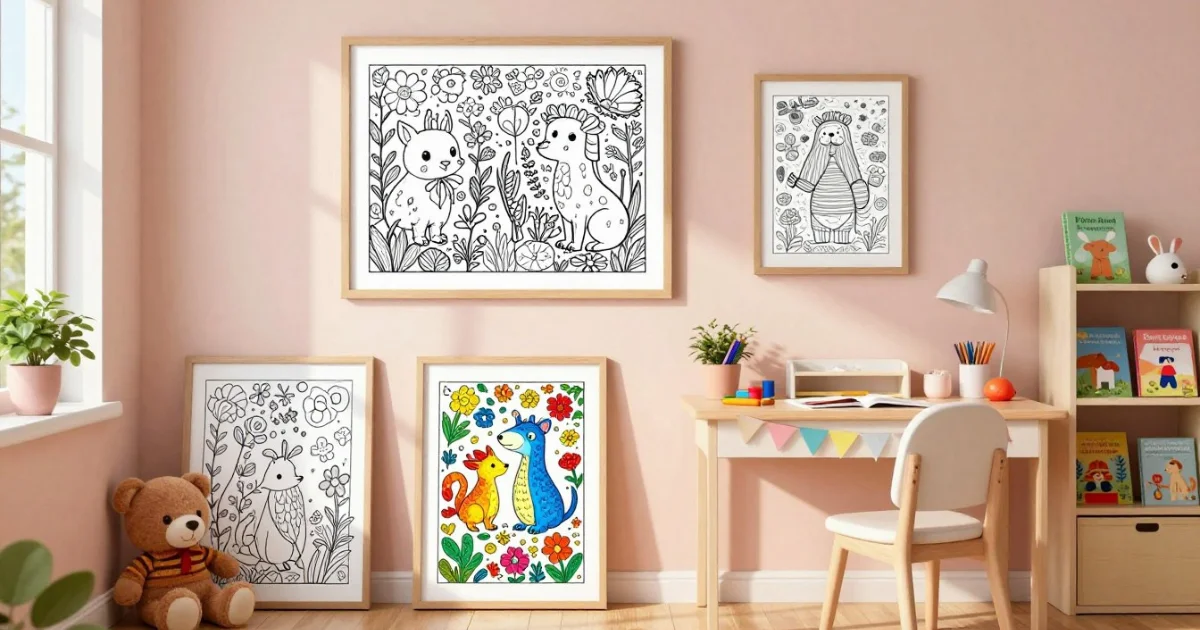
Creating a gallery wall with your child’s artwork, along with other themed elements, can be a beautiful way to display their creations. You can mix framed pieces with other decorative items like stickers, prints, or even fabric to create a visually appealing collage.
- Start with a central piece and build around it.
- Vary the sizes and shapes of the frames and decorative items.
- Use a unifying element, like a common color or theme, to tie the arrangement together.
Clipboards and Hanging Systems
For a more flexible display option, consider using clipboards or a hanging system. These allow you to easily swap out artwork as your child creates new pieces. Clipboards can be hung on walls or stood on shelves, providing a versatile display solution.
Tips for Using Clipboards: Choose clipboards that match the room’s decor. You can also decorate the clipboards themselves with paint, stickers, or other craft supplies to make them more visually appealing.
Conclusion
By following the steps outlined, you can turn a simple coloring page into a beautiful piece of children’s bedroom art that reflects your child’s personality.
Creating coloring wall art ideas not only personalizes your child’s space but also encourages their creativity and self-expression.
With a few simple materials and some imagination, you can create a unique piece of art that will be a wonderful addition to any kids’ room.
Now that you’ve learned how to create your own coloring wall art, it’s time to get started and watch your child’s creativity shine.
FAQ
How can I transform a simple coloring page into professional-looking wall art for a kids room?
To elevate a standard coloring page wall art kids room project, start by printing your favorite printable coloring pages on high-quality, heavy-weight cardstock rather than standard office paper. Use premium artistic tools like Prismacolor colored pencils or Copic markers to achieve deep, rich saturation. Once the artwork is complete, selecting a sleek frame from West Elm or IKEA can instantly turn a simple activity into sophisticated children’s room decor.
What are the best materials to use for high-quality kids bedroom wall art?
For results that look like store-bought kids bedroom wall art, you should invest in artist-grade supplies. Using Faber-Castell watercolor pencils or Sharpie brush pens allows for better blending and vibrant colors. If you are creating nursery wall decor, consider using non-toxic, acid-free materials to ensure the colors remain bright and the paper does not yellow over time, keeping your kids room wall art ideas looking fresh for years.
How do I coordinate the colors of the coloring page with existing kids room decoration?
When planning your coloring wall art ideas, take a look at the dominant colors in your child’s furniture or textiles, such as bedding from Pottery Barn Kids. Choose a color palette for your wall art for children’s rooms that either matches those tones or provides a pleasing contrast. This intentional color coordination ensures that the finished piece feels like a deliberate part of the overall children’s bedroom art scheme rather than an afterthought.
Is there a way to protect the finished coloring page wall art from fading or damage?
Protecting your coloring page wall art kids room is essential for longevity. After finishing the coloring process, apply a light, even coat of a fixative spray like Krylon Workable Fixatif to prevent smudging. For a more durable finish, especially for nursery wall decor, you can use a clear acrylic sealer or even laminate the page before placing it in a UV-protected glass frame to shield it from sunlight.
What are some creative ways to display wall art for children’s rooms besides traditional frames?
If you want to move beyond standard frames for your kids room wall art ideas, try using decorative clipboards or wooden magnetic hanger frames. You can also create an evolving gallery wall by using Command adhesive strips to hang the artwork in a grid pattern. This method of kids room decoration allows you to easily swap out old printable coloring pages for new masterpieces as your child grows and their interests change.