25 Zentangle Coloring Pages for Beginners (Free PDF)
Table of Contents
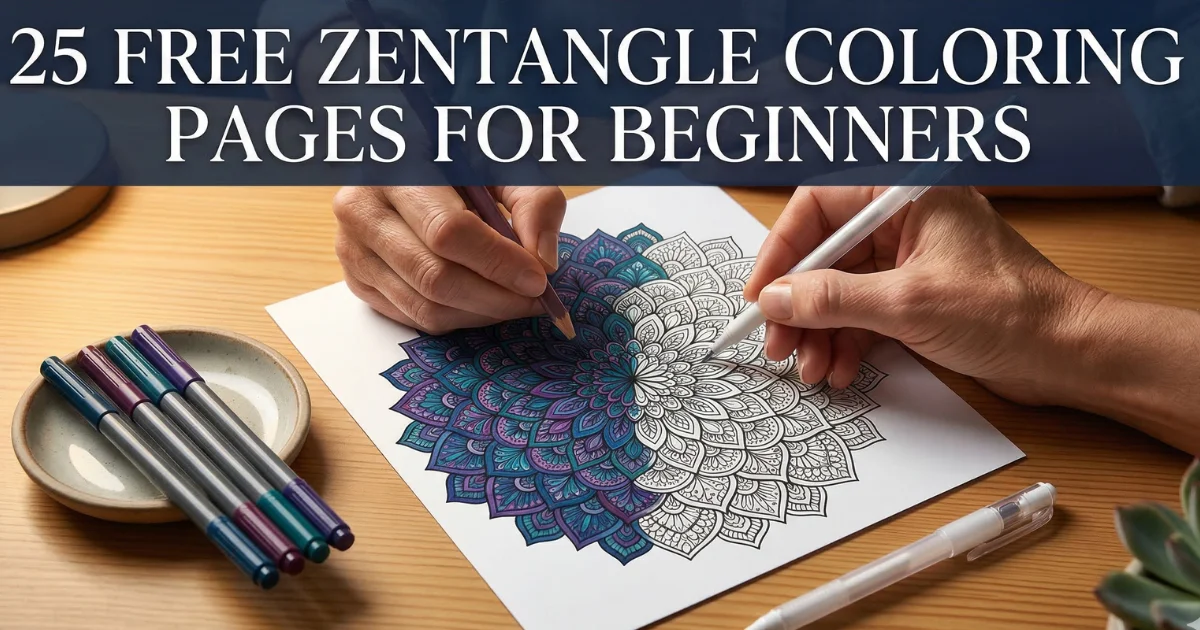
25 Free Zentangle Coloring Pages for Beginners (Printable PDF)
There is something deeply satisfying about filling a page with beautiful patterns — one small section at a time, one deliberate stroke at a time, until something extraordinary emerges from what began as a simple outline.
That is the essence of Zentangle — and it is why millions of people around the world have fallen in love with this unique art form.
Zentangle is a structured but endlessly creative method of drawing and coloring using repetitive patterns called tangles. It was developed in the early 2000s by Rick Roberts and Maria Thomas and has since grown into a global mindfulness and art practice embraced by beginners and experienced artists alike. The beauty of Zentangle is that there are no mistakes — every stroke is intentional, every pattern is valid, and the process itself is as valuable as the finished result.
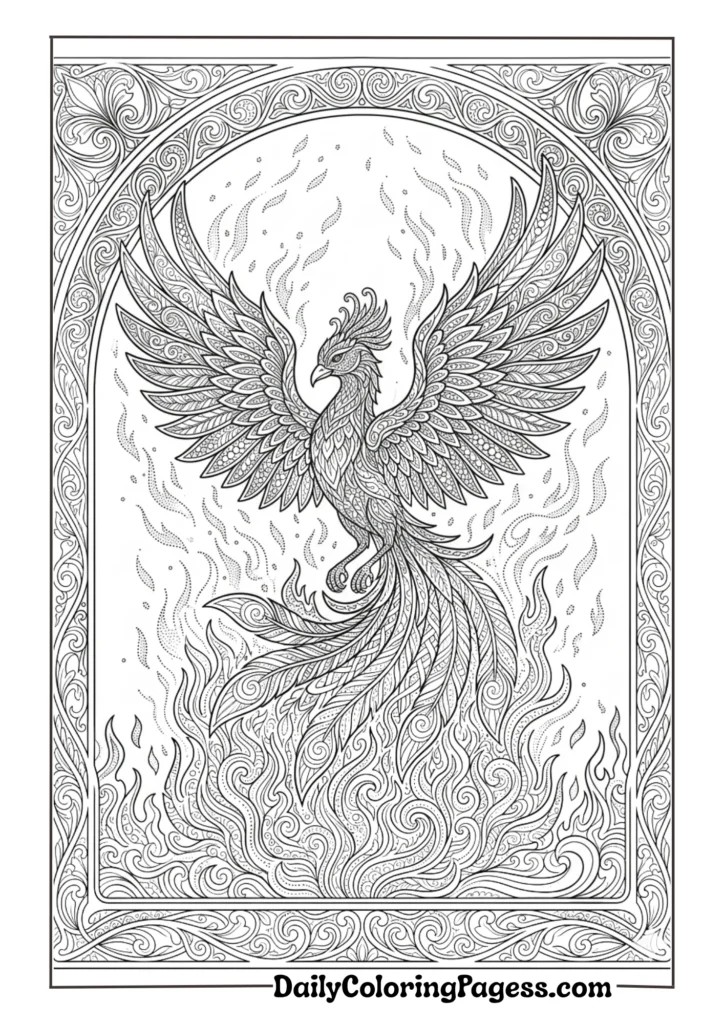
These 25 free Zentangle inspired coloring pages are designed specifically for beginners. Each page features a pre-drawn Zentangle design ready for you to bring to life with color. No drawing skills required — just pick up your favorite coloring tools and let the patterns guide you.
Completely free to download and print. No sign-up required.
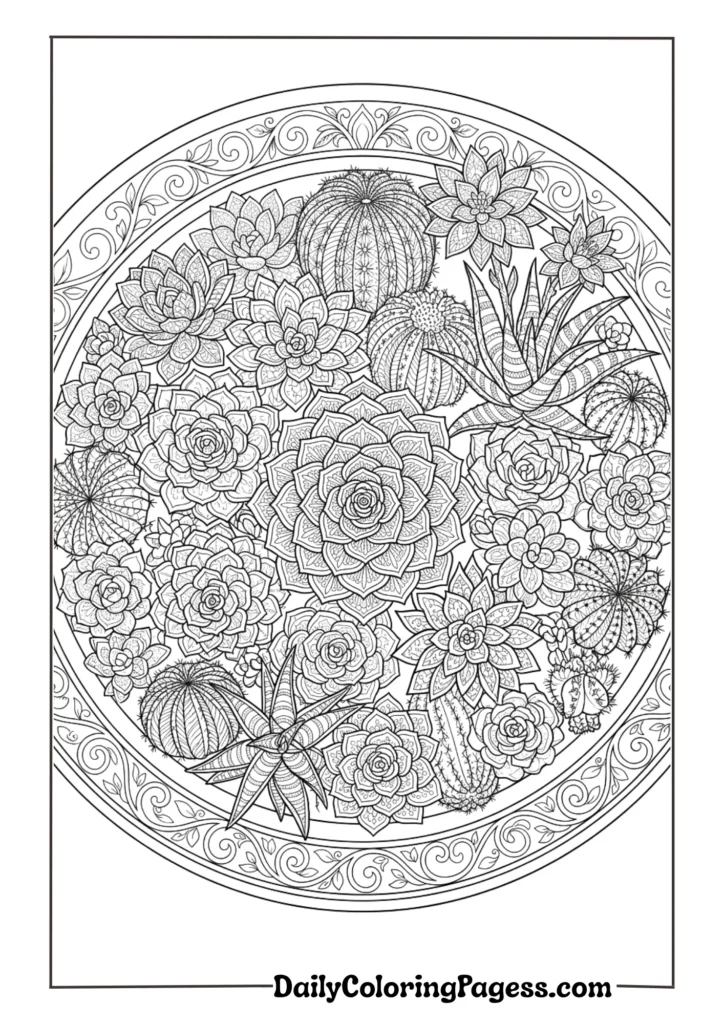
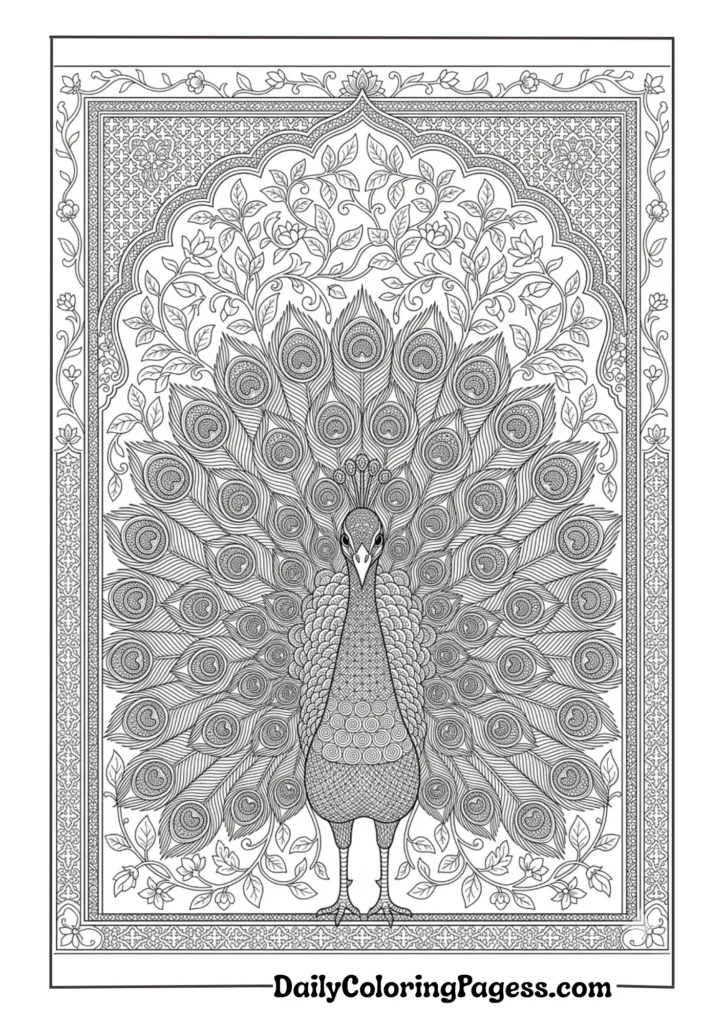
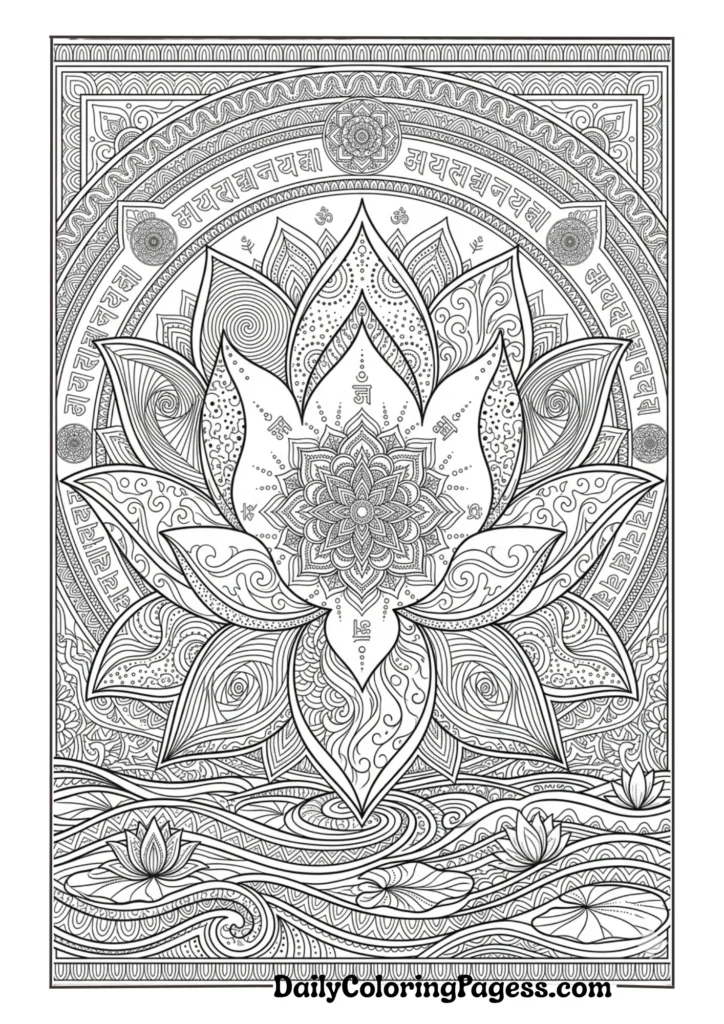
What is Zentangle and Why is it Perfect for Beginners
Zentangle is often described as meditation through drawing — but it works just as beautifully as meditation through coloring. The structured repetitive nature of Zentangle patterns creates a state of focused calm that quiets anxious thoughts and brings the mind fully into the present moment.
What makes Zentangle particularly perfect for beginners is its fundamental philosophy — there are no mistakes in Zentangle. Every mark you make is intentional. If something does not look the way you expected it to, it simply becomes part of the design. This liberating philosophy removes the perfectionism and self-criticism that stops many adults from engaging with creative activities.
The key principles of Zentangle:
Deliberate strokes: Every line in Zentangle is drawn slowly and deliberately. There is no rushing, no sketching, no going back and forth. Each stroke is placed with intention and attention.
Repetitive patterns: Zentangle designs are built from repeating patterns called tangles. Each tangle is a simple repeating element — a series of curved lines, a grid of small shapes, a spiral repeated across a section. The repetition creates rhythm and the rhythm creates calm.
No planning required: Traditional Zentangle is created spontaneously — you do not plan the design before you begin. With these pre-drawn coloring pages the structure is already provided for you. Your creative contribution is the color choices and the care you bring to coloring each pattern section.
Small sections at a time: Zentangle is always approached one small section at a time. Never look at the whole page and feel overwhelmed. Simply focus on the section in front of you. Color it completely. Then move to the next section. This one section at a time approach is deeply calming and makes even the most complex pages feel achievable.
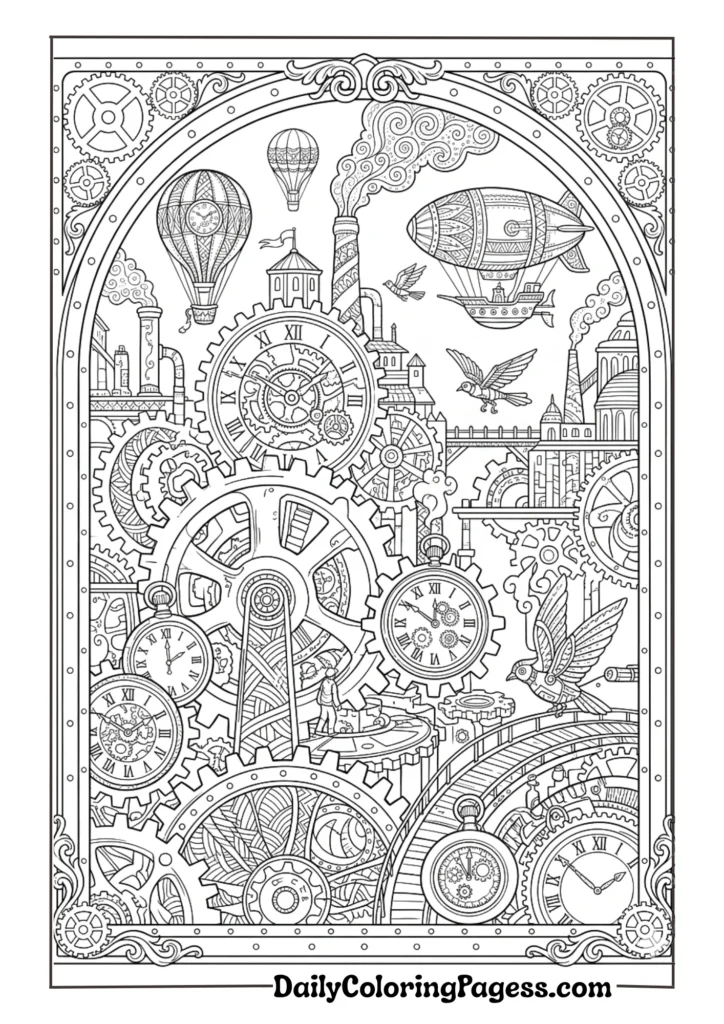
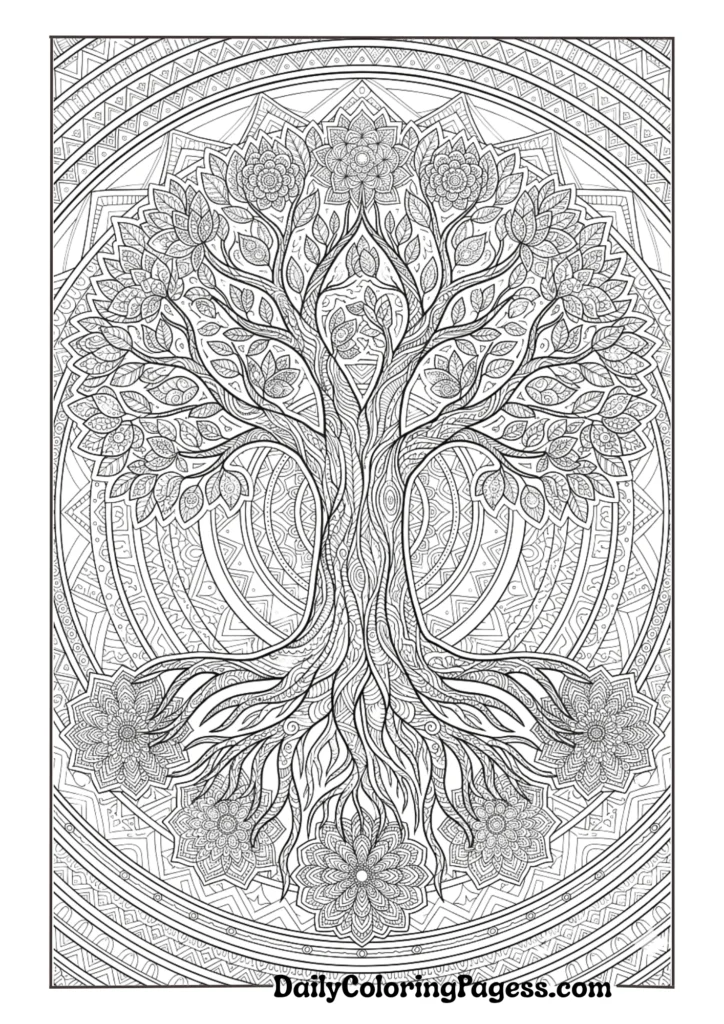
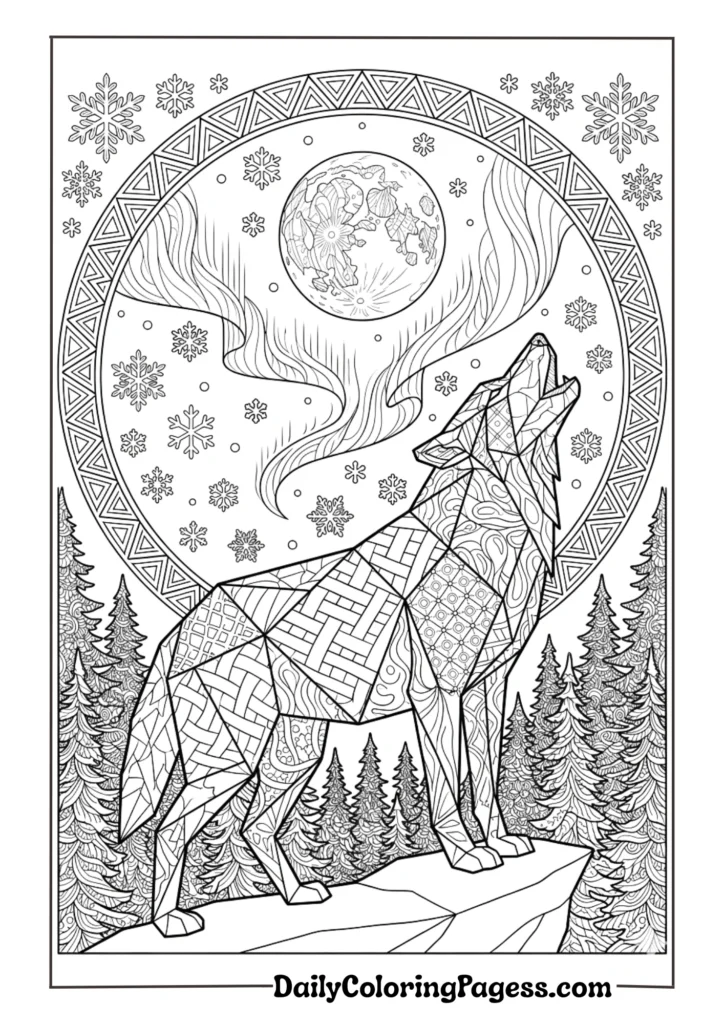
Here are more beautiful Zentangle coloring pages for beginners — each one featuring simple clear patterns that are perfect for your first Zentangle coloring experience.
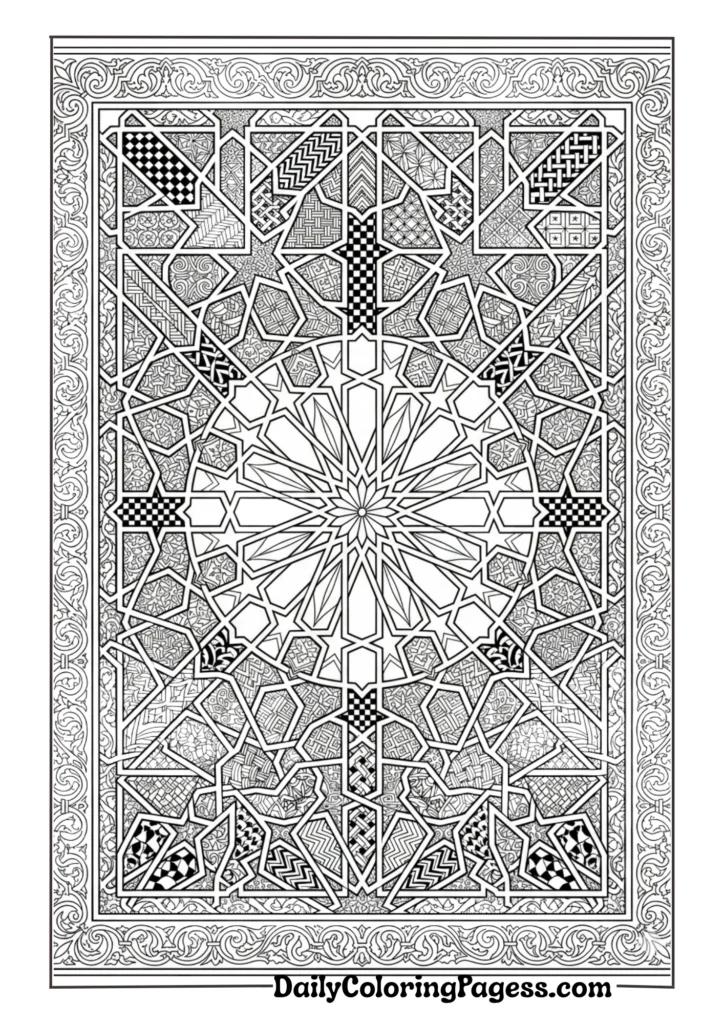
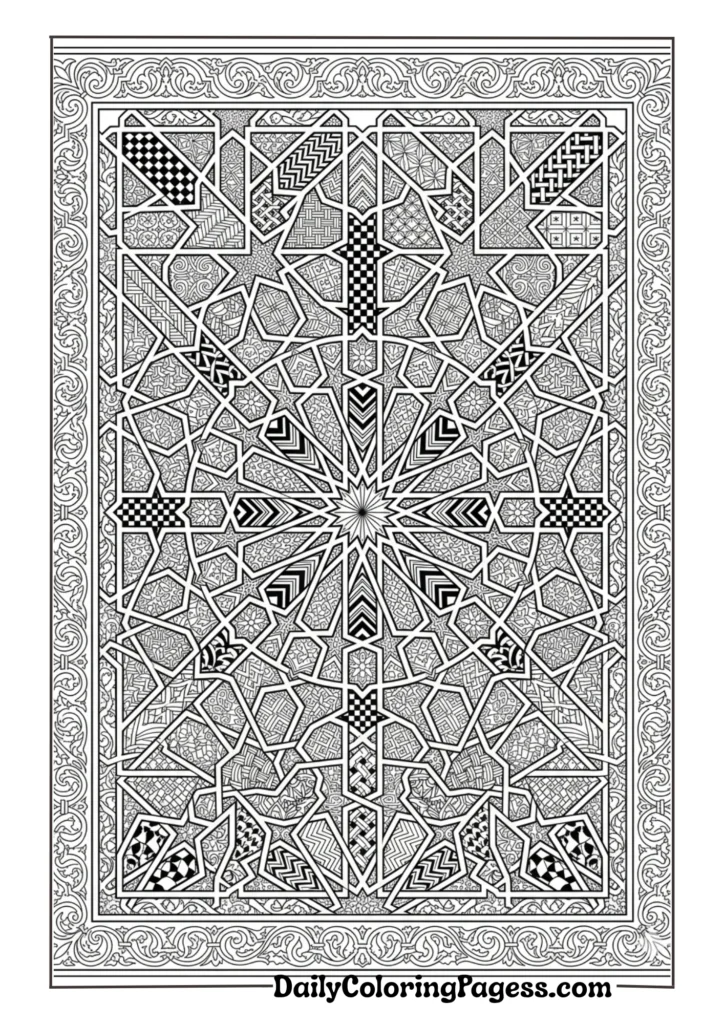
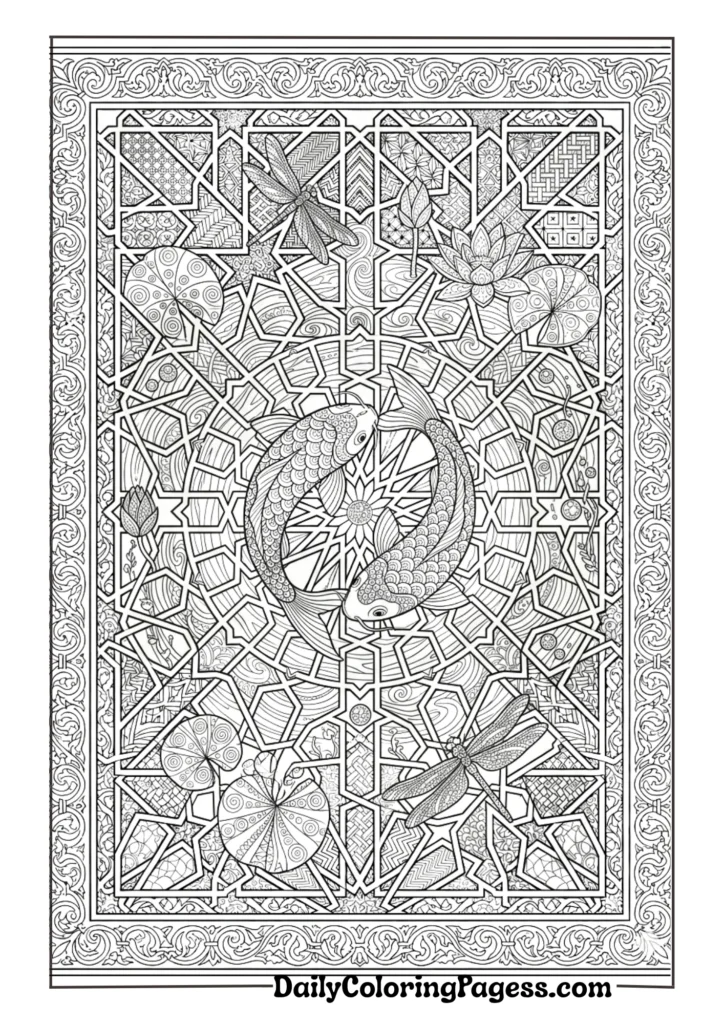
The 25 Zentangle Designs in This Collection
Each page in this collection features a different combination of Zentangle inspired patterns. Here is what you will find:
- Simple three pattern tile — ideal first Zentangle coloring experience
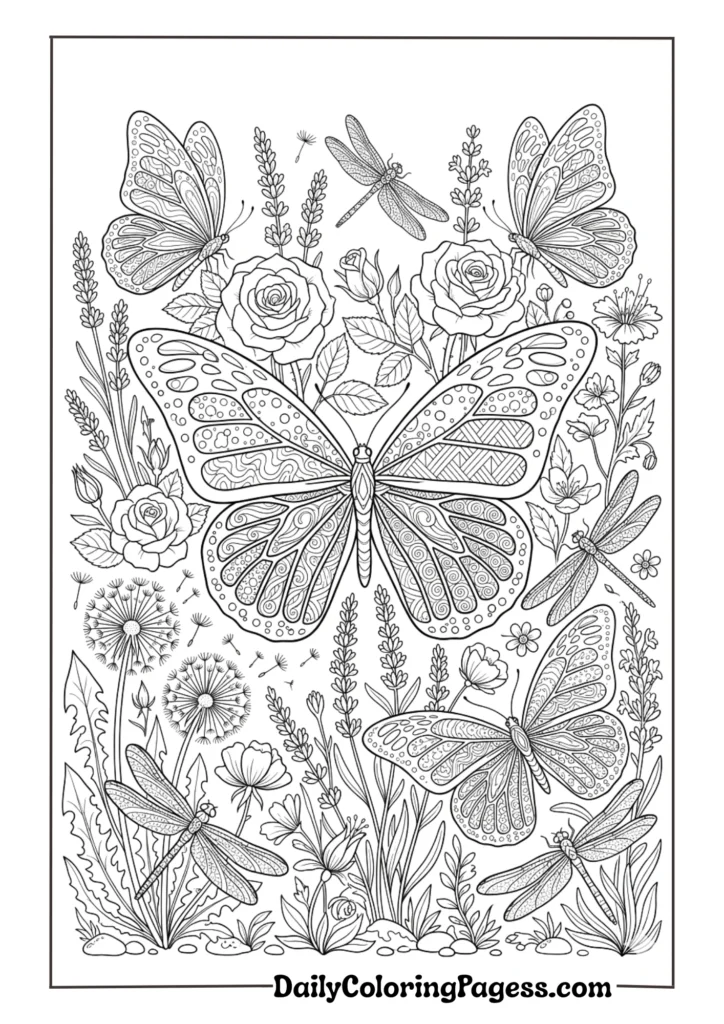
- Zentangle butterfly — patterned wings with contrasting sections
- Circular Zentangle — radiating pattern sections from a central point
- Zentangle leaf — organic shape filled with flowing patterns
- Zentangle flower — patterned petals around a detailed center
- Classic square tile — four distinct pattern sections
- Zentangle feather — elongated sections with different patterns
- Zentangle heart — love symbol filled with intricate patterns
- Zentangle fish — scale patterns and fin details
- Zentangle border frame — decorative frame with repeating patterns
- Zentangle owl — body sections filled with different patterns
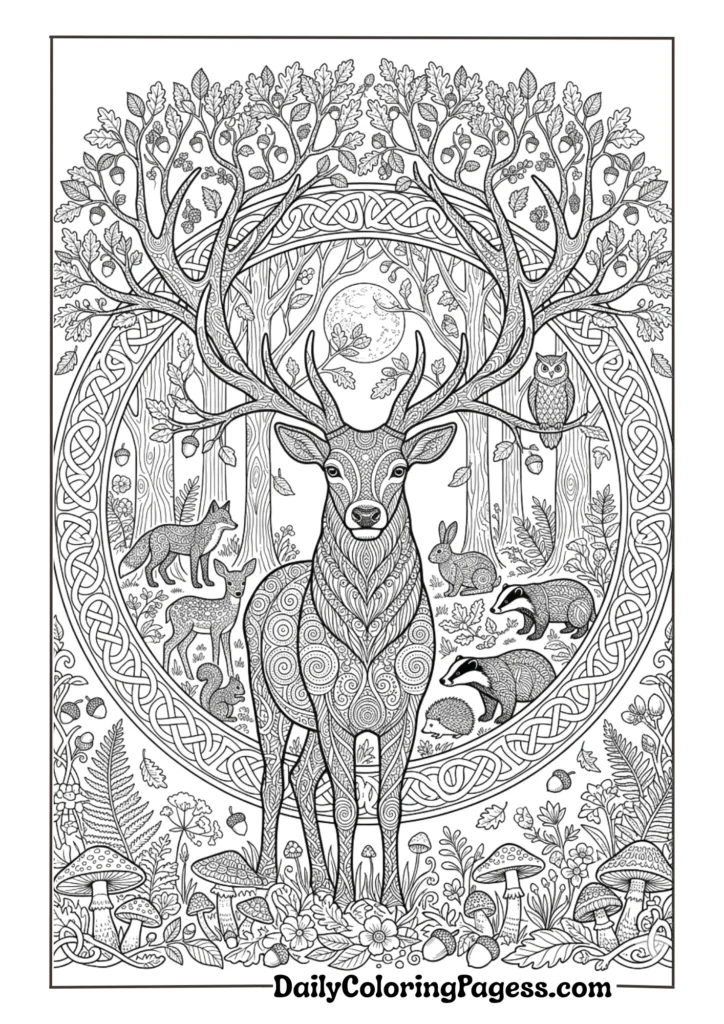
- Zentangle tree — branches and trunk sections with bark and leaf patterns
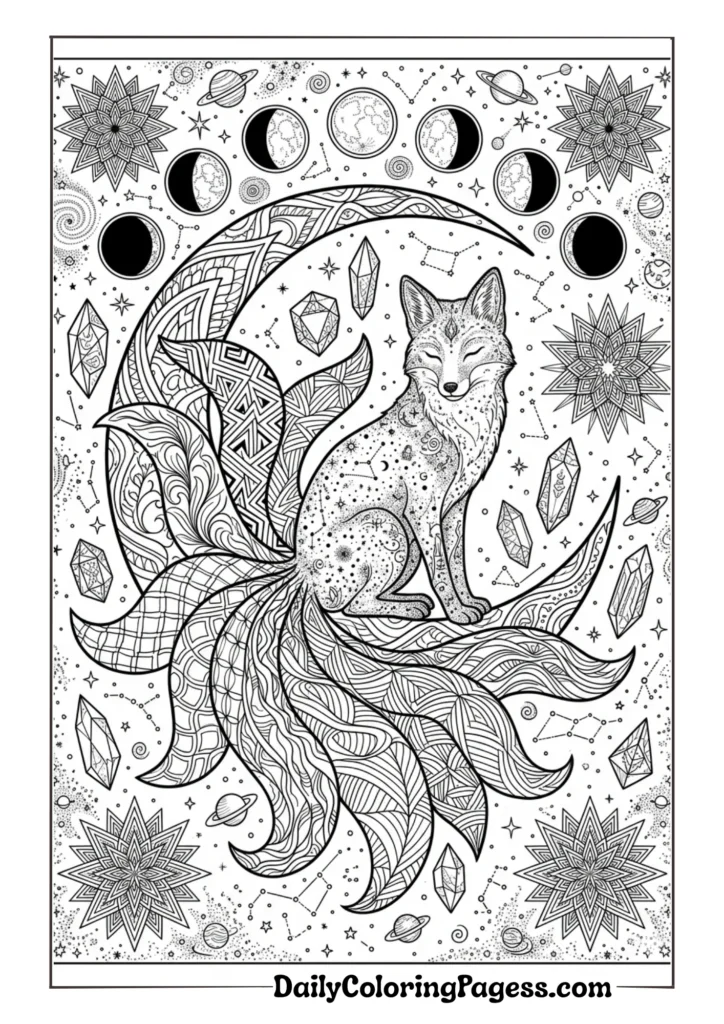
- Zentangle moon — crescent shape with flowing pattern fills
- Zentangle dragonfly — wings and body with delicate patterns
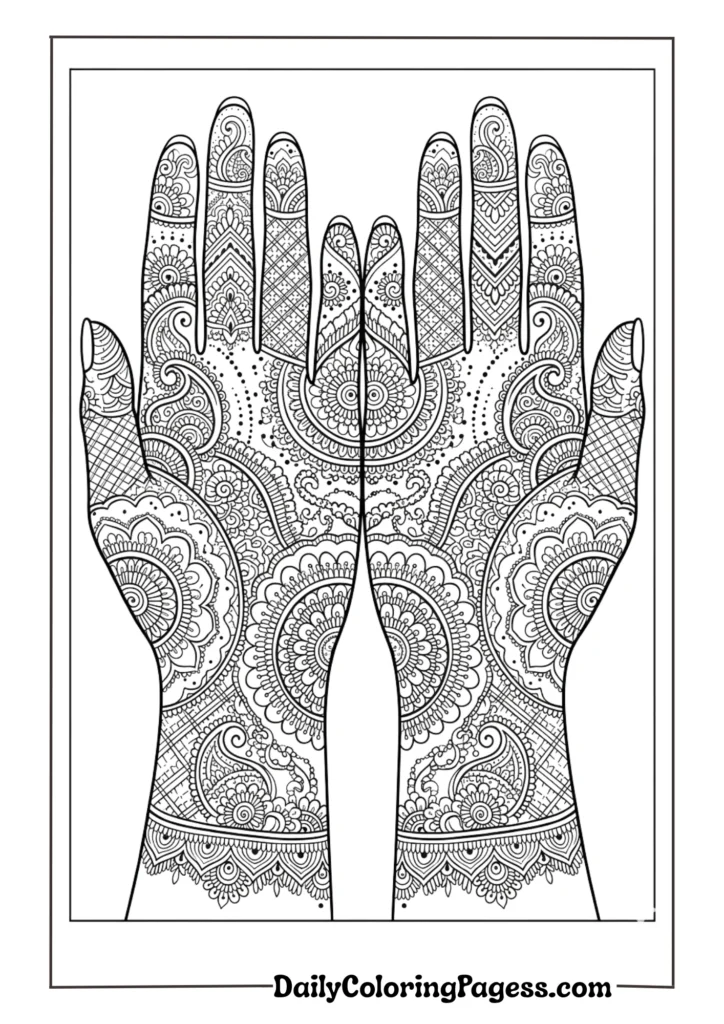
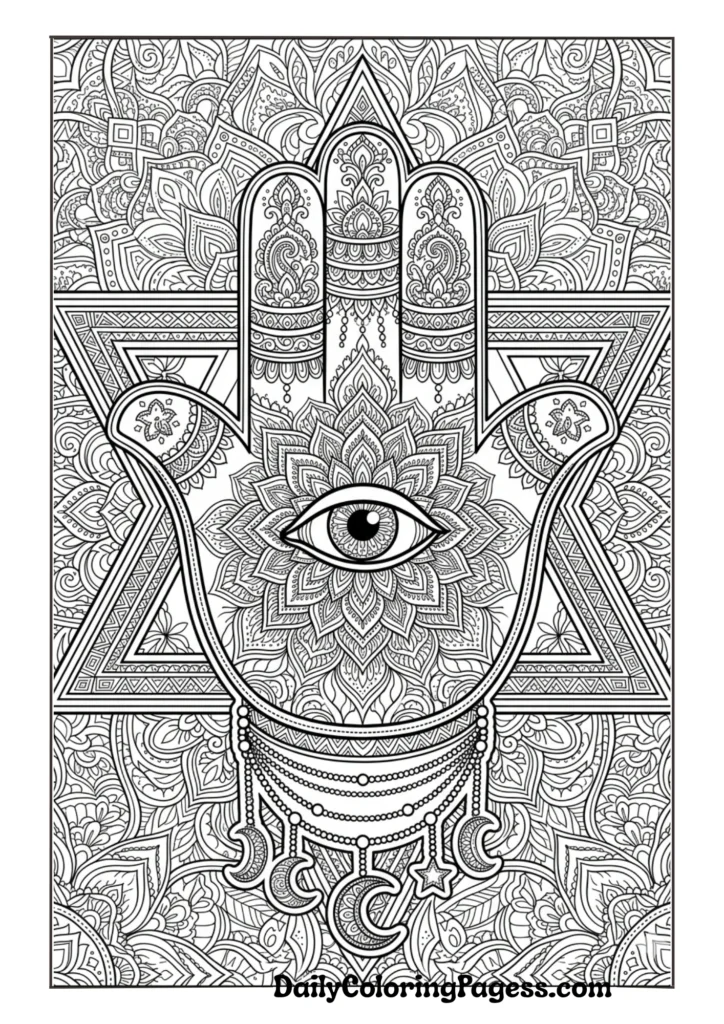
- Zentangle mandala — circular design with Zentangle pattern fills
- Zentangle house — architectural shape with surface pattern details
- Zentangle wave — flowing ocean wave shape with water inspired patterns
- Zentangle mushroom — cap and stem sections with different patterns
- Zentangle fox — animal silhouette with fur inspired patterns
- Zentangle star — five pointed star with different patterns in each section
- Zentangle cat — sitting cat silhouette with patterned fur sections
- Zentangle mountain — landscape shape with terrain inspired patterns
- Zentangle sun — radiating rays each filled with different patterns
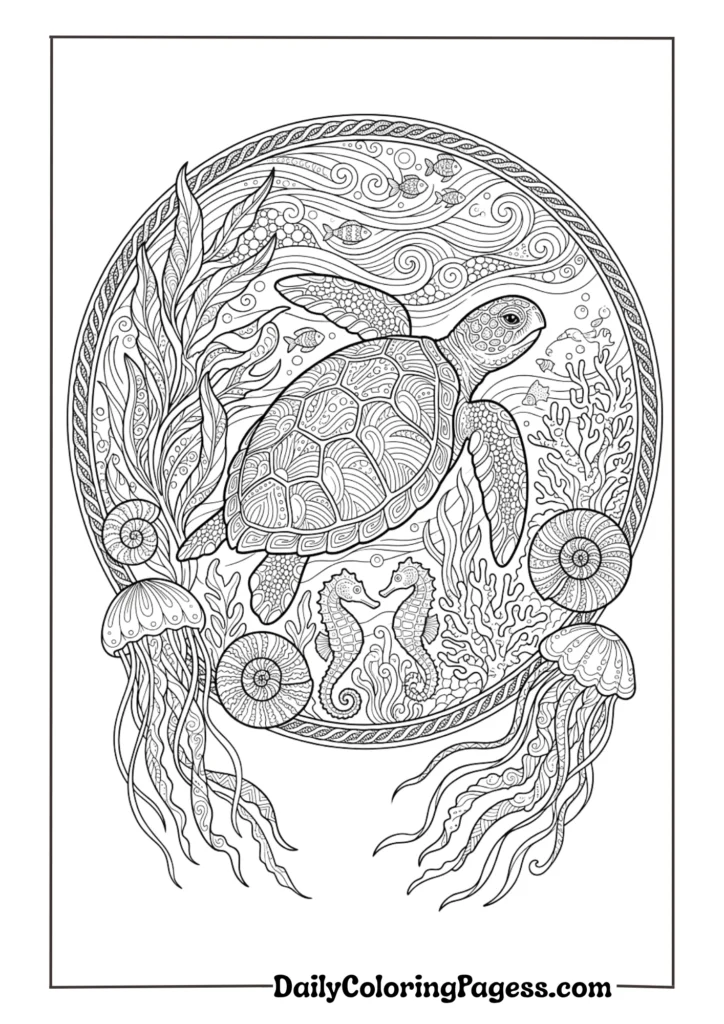
- Zentangle turtle — shell sections with geometric patterns
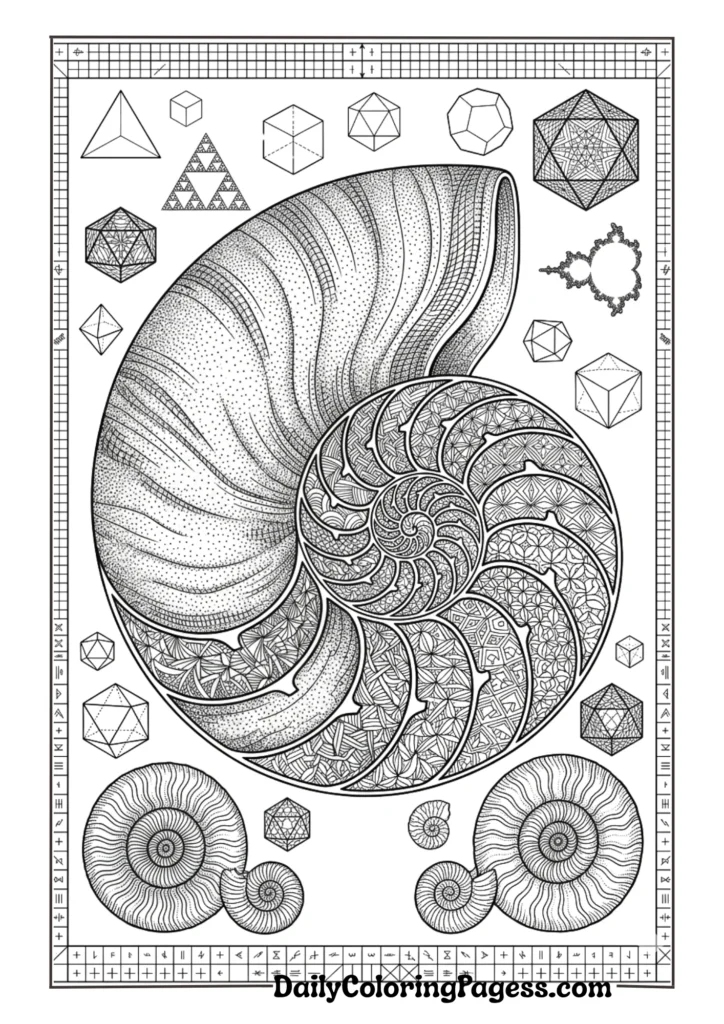
- Complex Zentangle tile — multiple pattern sections for when you are ready for a challenge
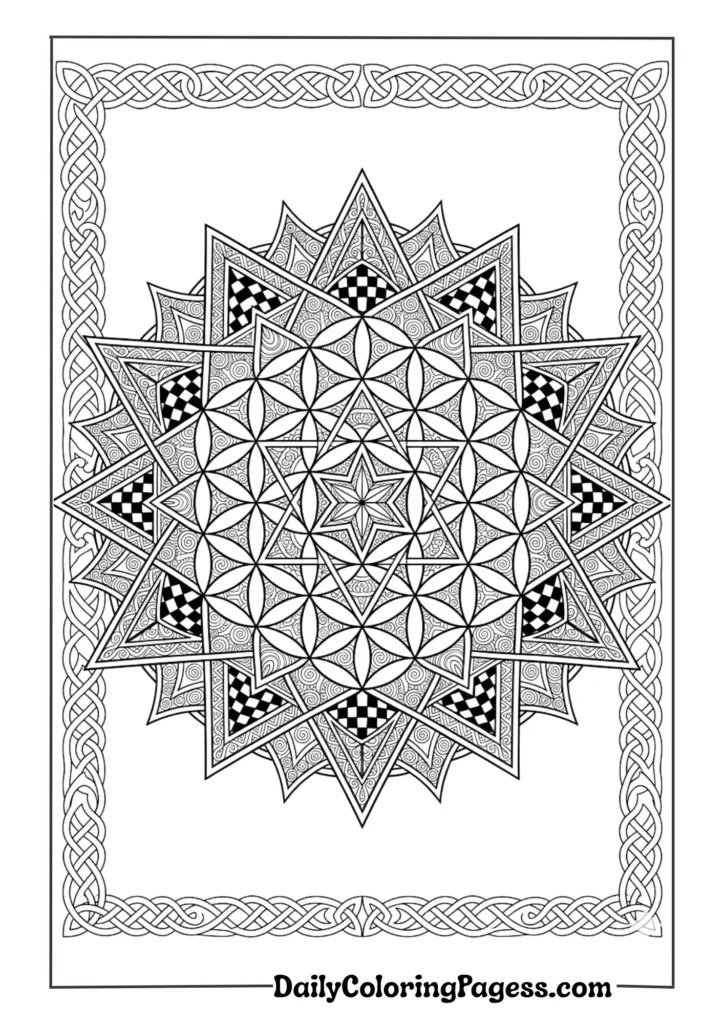
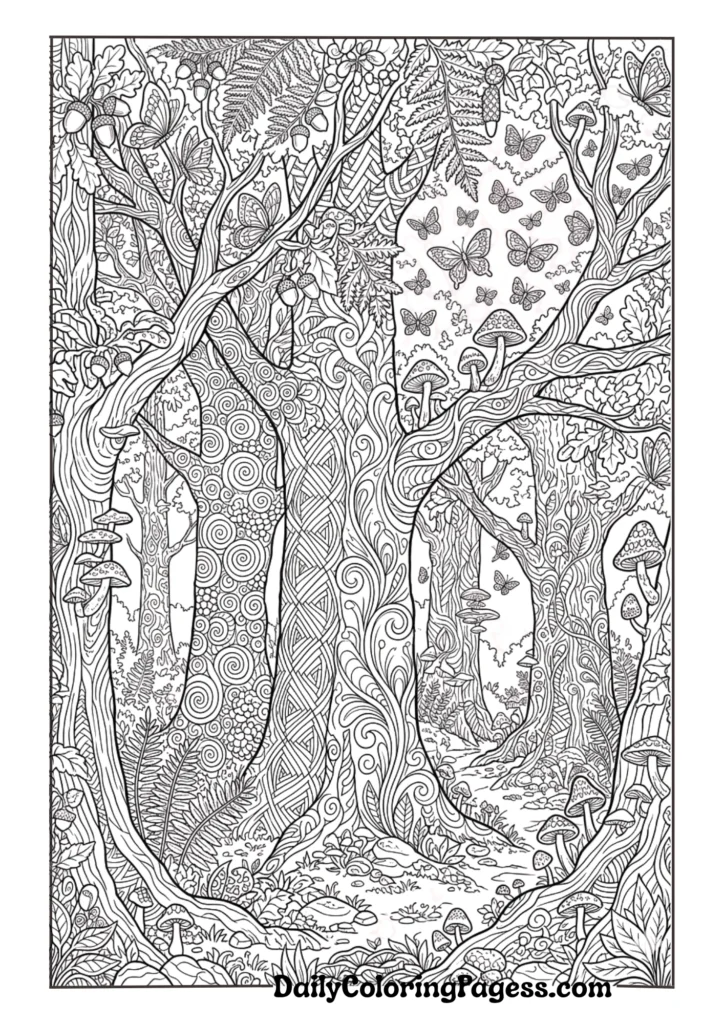
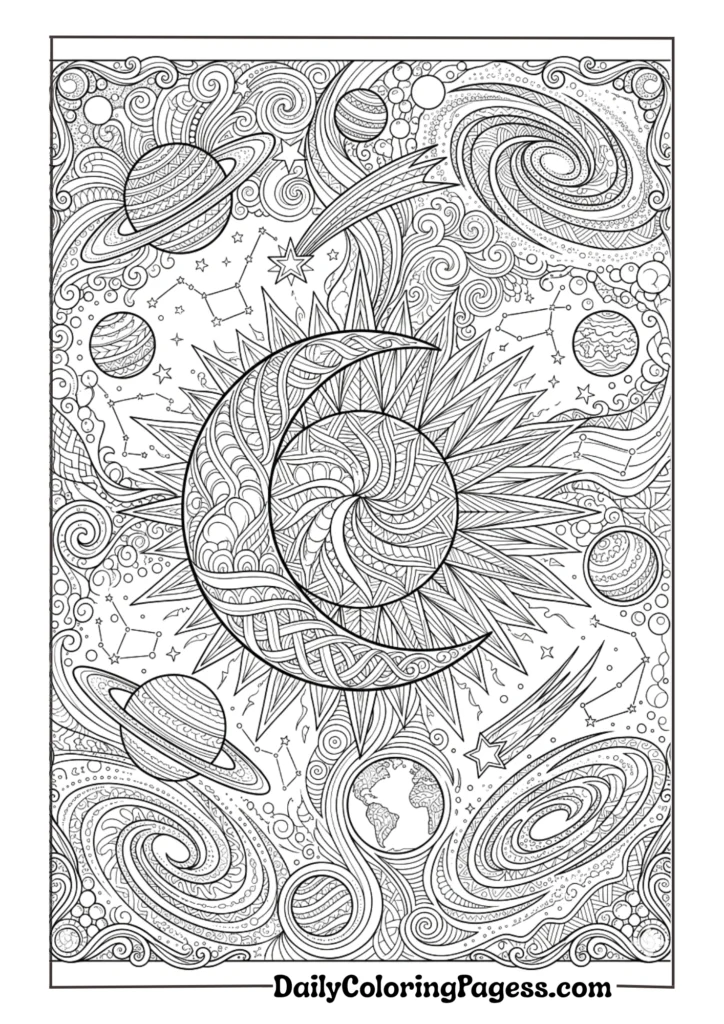
A Beginner’s Guide to Coloring Zentangle Pages
If you are new to Zentangle coloring here is everything you need to know to get the most beautiful results from these pages.
Choosing Your Colors
Color choice in Zentangle coloring is deeply personal and there are no rules — but here are some approaches that consistently produce beautiful results:
Monochromatic approach: Choose one color and use different shades of that color across the different pattern sections. For example deep navy, medium blue, sky blue, and pale ice blue. This approach creates a sophisticated cohesive result that looks professionally finished.
Complementary contrast: Choose two colors that sit opposite each other on the color wheel — blue and orange, purple and yellow, red and green — and alternate them across adjacent pattern sections. The contrast between sections makes each pattern pop dramatically.
Rainbow progression: Work through the colors of the rainbow across the page from left to right or from the center outward. Red, orange, yellow, green, blue, purple. This approach creates a vibrant joyful result that is particularly beautiful on circular and mandala style Zentangle pages.
Black and white with one accent: Color the majority of the page in black grey and white then add one single accent color to one or two key sections. This elegant minimalist approach produces sophisticated results and is particularly effective on complex multi-pattern pages.
Choosing Your Tools
Fine tip markers: Fine tip markers are ideal for Zentangle coloring because the precise tip allows you to color cleanly within the small detailed pattern sections. Staedtler triplus fineliners and Sakura Pigma Microns are both excellent options.
Colored pencils: Colored pencils allow for subtle shading and beautiful gradients within each pattern section. They work particularly well for creating depth and dimension in the larger pattern areas. Faber-Castell and Prismacolor colored pencils both perform beautifully on Zentangle pages.
Gel pens: Gel pens produce a luxuriously smooth line and are particularly beautiful on Zentangle pages. They work especially well for adding highlights and details after the main coloring is complete. White gel pens on darker colored sections create stunning results.
Mixed media: Many experienced Zentangle colorists use a combination of tools — colored pencils for the main fills, fine tip markers for precise small sections, and gel pens for highlights and accents. Do not be afraid to mix tools on the same page.
The One Section at a Time Rule
The most important piece of advice for beginners approaching Zentangle coloring pages is this — never look at the whole page. Look only at the one small section directly in front of you. Color it completely and beautifully. Then move to the adjacent section. Then the next. The whole page will take care of itself.
This one section at a time approach transforms an apparently complex page into a series of simple achievable steps. It is also the key to the meditative quality of Zentangle — when your focus is completely absorbed by one small section all other thoughts naturally fall away.
The Mental Health Benefits of Zentangle Coloring
Zentangle coloring is not simply a creative activity — it is a genuine mindfulness practice with measurable mental health benefits. Here is what research and widespread personal experience tell us about what happens when you sit down with a Zentangle page:
Stress reduction: The repetitive focused nature of Zentangle coloring activates the parasympathetic nervous system — the body’s natural rest and recovery mode. Cortisol levels decrease. Heart rate slows. Breathing deepens. The physical stress response quiets.
Anxiety relief: Anxious thoughts require mental space to operate. Zentangle coloring occupies the same mental space that anxiety uses — the focused present moment attention of coloring crowds out the future-oriented rumination that characterizes anxiety. Many people describe emerging from a Zentangle coloring session feeling as if their mind has been quietly tidied.
Improved focus and concentration: Regular Zentangle coloring practice has been shown to improve the ability to sustain focused attention over time. The discipline of coloring one small section deliberately and completely transfers to other areas of life requiring sustained concentration.
Creative confidence: The no-mistakes philosophy of Zentangle is transformative for people who believe they are not creative or artistic. When every mark is valid and every outcome is acceptable the creative block that stops many adults from engaging with art simply dissolves. Many people discover through Zentangle coloring that they are far more creative than they believed.
How to Build a Zentangle Coloring Practice
The real benefits of Zentangle coloring come not from doing it once but from making it a regular practice. Here is how to build a sustainable Zentangle coloring routine:
Start with 15 minutes: Begin with just 15 minutes per session. Set a gentle timer and commit to coloring one small section of your chosen page for the full 15 minutes. This is enough time to enter a mild meditative state and experience the calming benefits of the practice.
Create the right environment: The physical environment matters significantly. Find a quiet comfortable space with good lighting. Put your phone on silent. Make a warm drink. Play soft instrumental music or gentle nature sounds. Treat your Zentangle coloring session as a genuine self-care ritual.
Progress gradually: Start with the simpler pages in this collection — the single tile designs and simple shaped pages. As your confidence and skill develop progress to more complex pages with more pattern sections. The gradual progression keeps the practice engaging without becoming overwhelming.
Keep your materials ready: Keep a printed Zentangle page and your favorite coloring tools in a specific place that you can access immediately. The easier it is to start a session the more likely you are to maintain the practice.
⬇️ Download All 25 Zentangle Coloring Pages — Free PDF
Ready to begin your Zentangle coloring journey? Click the button below to download all 25 pages as a free high resolution PDF. Every page is print ready and designed to produce beautiful results with any coloring tool.
No sign-up required. Completely free. Print as many times as you like.
Frequently Asked Questions
What is the difference between Zentangle and doodling? Doodling is typically unconscious and unplanned — something you do while your attention is elsewhere. Zentangle is the opposite — it is a deliberate, focused, intentional practice where every stroke is made with full attention and awareness. This intentionality is what gives Zentangle its meditative quality and distinguishes it from casual doodling.
Do I need any artistic skill to color Zentangle pages? None whatsoever. These pages are pre-drawn and ready to color. Your only creative contribution is your color choices. No drawing ability, no artistic training, and no previous experience with Zentangle is required.
What are the best colors to use for Zentangle coloring pages? There is no single best answer — color choice in Zentangle is entirely personal. However beginners often find that starting with a limited palette of three to five colors produces more cohesive and satisfying results than using many different colors. A monochromatic approach using different shades of one color is a beautiful and foolproof starting point.
How long does it take to complete a Zentangle coloring page? This varies enormously depending on the complexity of the page and your coloring speed. Simple single tile pages can be completed in 20 to 30 minutes. More complex multi-pattern pages may take one to three hours across multiple sessions. There is no right or wrong pace — Zentangle coloring is not a race.
Can children do Zentangle coloring? Yes — children aged 8 and up can enjoy Zentangle coloring pages designed for beginners with larger simpler pattern sections. The simpler pages in this collection — the leaf, heart, butterfly, and fish — are particularly suitable for older children. The more complex multi-pattern pages are best suited to teens and adults.
Is Zentangle the same as coloring mandalas? They are related but different. Mandalas are circular symmetrical designs that originated in spiritual traditions. Zentangle is a specific modern art form that uses repeating patterns called tangles which can be applied to any shape — circles, squares, organic forms, animal silhouettes. Many of the pages in this collection combine both influences.
Pick up your pencil. Find your pattern. Find your peace. 🖊️
— Lina, Daily Coloring Pages