Can Coloring Help Kids with Anxiety? What Parents Should Know
Table of Contents
Can Coloring Help Kids with Anxiety? What Parents Should Know
As a parent, you often search to find ways to soothe your child’s big feelings. Many families discover that simple artistic tasks provide much-needed calm during stressful moments. You want a solution that is easy to implement at home without needing complex gear or expensive therapy sessions.
Engaging in creative distraction offers a gentle path towards inner peace by slowing down racing thoughts. Repetitive motions help a young person feel grounded and secure in their environment. These activities allow their brains to rest from constant worry or fear while focusing on the present moment.
By choosing specific themes, you empower them to express emotions safely and quietly. It is a psychological win-to-win situation where play meets emotional regulation. This method requires no special talent, making it accessible to every household looking to improve daily wellness.
Providing your little ones with anxiety management coloring pages can transform a difficult day into a peaceful afternoon. We will investigate how these artistic tools work and why they benefit your family’s emotional health. It matters to your routine to have reliable strategies that support a quiet mind.
Key Takeaways
- Creative outlets lower stress levels in children effectively.
- Focusing on simple patterns improves mindfulness and concentration.
- Artistic tools help regulate emotional responses during outbursts.
- Parents can easily implement these strategies into daily schedules.
- No special skills are required to see immediate calming benefits.
- Consistent practice builds long-term resilience against nervousness.
How Coloring for Kids Anxiety Works: The Science Behind the Calm
Research into the effects of coloring on children’s anxiety has started to uncover the science behind this calming activity. As parents look for effective ways to help their children manage anxiety, understanding the mechanisms behind stress relief coloring can provide valuable insights.

The Neurological Benefits of Coloring
Coloring has been found to have several neurological benefits that can help children with anxiety. By engaging in this activity, children can experience a range of positive effects on their brain function and overall well-being.
Activating the Relaxation Response
One of the primary ways coloring helps kids with anxiety is by activating the relaxation response. This response is the body’s natural counterbalance to stress, promoting a state of calm and reducing anxiety. Through the repetitive motion of coloring, children’s minds can begin to relax, letting go of tension and worry.
Improving Focus and Reducing Racing Thoughts
Coloring also helps children improve their focus and reduce racing thoughts. By concentrating on the task at hand, kids can learn to quiet their minds and let go of anxious thoughts. This improvement in focus can be particularly beneficial for children who struggle with anxiety-related distractions.
Why Coloring Acts as a Mindfulness Activity
Mindful coloring for children involves being fully present in the moment, paying attention to the colors, shapes, and textures. This mindfulness aspect of coloring can help kids develop a greater awareness of their thoughts and feelings, allowing them to better manage their anxiety.
By encouraging children to focus on the coloring process, parents can help them cultivate a sense of calm and clarity. This mindfulness practice can be a powerful tool in reducing anxiety and promoting overall mental well-being.
What Research Says About Coloring and Childhood Anxiety
Studies have begun to explore the effectiveness of therapeutic coloring for anxiety in children. While more research is needed, initial findings suggest that coloring can be a valuable adjunct to traditional anxiety management strategies.
By understanding the science behind coloring and its benefits for children with anxiety, parents can make informed decisions about incorporating this activity into their child’s anxiety management routine.
Practical Tips for Using Coloring to Help Your Child Manage Anxiety
For children struggling with anxiety, engaging in coloring activities can be a straightforward and enjoyable way to find calm. As a parent, you can play a significant role in helping your child leverage coloring as a tool for managing anxiety.
Selecting the Best Coloring Materials and Pages
The first step in using coloring as an anxiety management tool is selecting the right materials. This includes choosing appropriate coloring pages and tools that will engage your child and help them relax.
Age-Appropriate Coloring Options
Different ages require different types of coloring materials. For younger children, simple, large-format coloring pages with familiar characters or objects are ideal. Older children might enjoy more complex designs, such as mandalas or geometric patterns, which can be very calming.
Mandala and Pattern-Based Designs for Maximum Calm
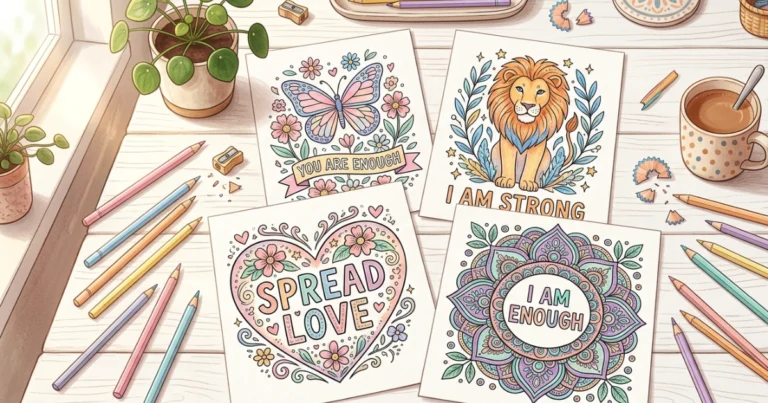
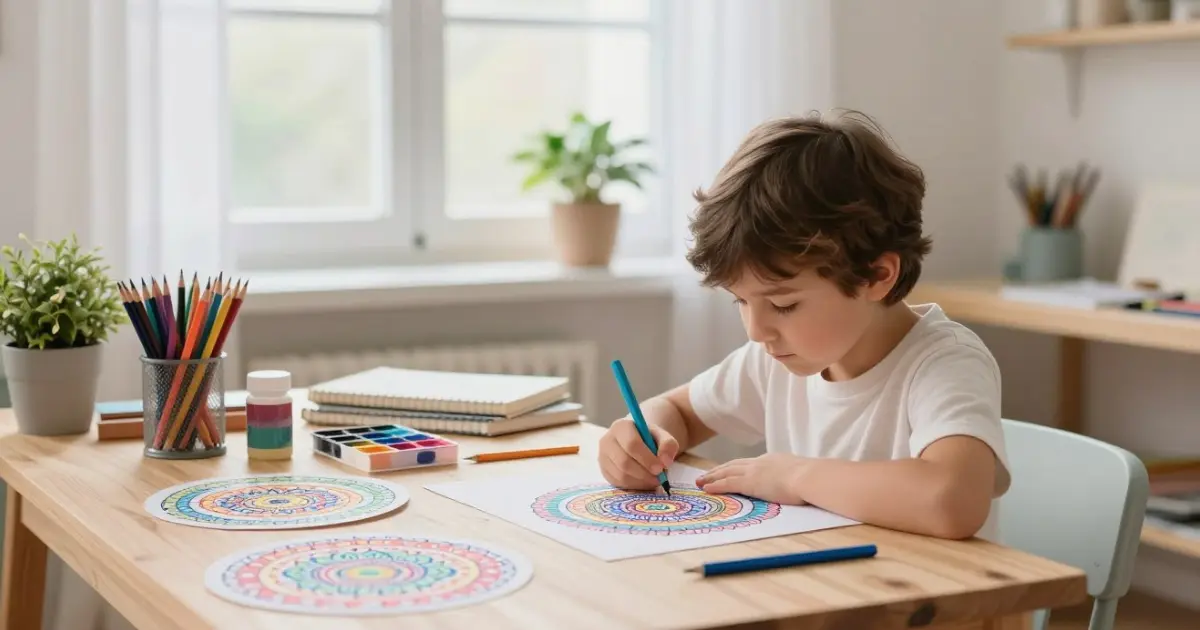
Mandalas and intricate patterns are particularly effective for promoting relaxation. These designs require focus and attention to detail, distracting from anxious thoughts and promoting a sense of calm. You can find a variety of calming coloring sheets online or in books specifically designed for anxiety relief.
| Age Group | Recommended Coloring Pages | Coloring Tools |
|---|---|---|
| 3-5 years | Simple animals, cartoon characters | Crayons, washable markers |
| 6-10 years | Mandalas, simple geometric patterns | Colored pencils, fine-tip markers |
| 11+ years | Intricate patterns, detailed mandalas | Colored pencils, markers, or gel pens |

Creating the Right Environment for Calming Coloring Sessions
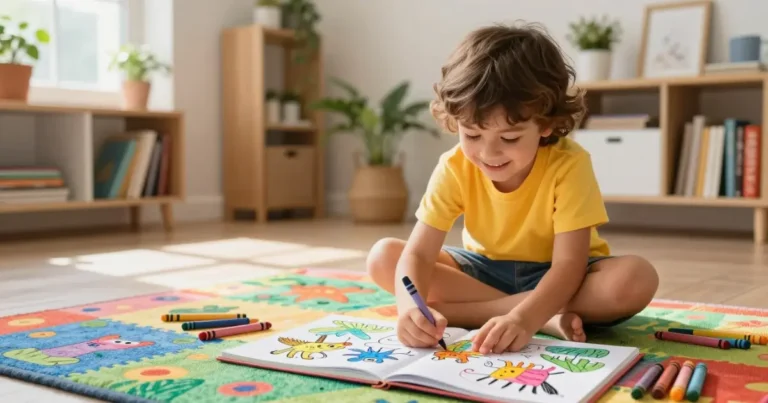
The environment in which your child colors can significantly impact the effectiveness of this activity. Ensure the space is quiet, comfortable, and free from distractions. Consider playing soft, calming music in the background to enhance the relaxing atmosphere.
When to Introduce Coloring as an Anxiety Coping Strategy
You can introduce coloring as an anxiety coping strategy during moments of calm, as well as during episodes of anxiety. Starting with calm periods can help your child become familiar with the activity and more likely to turn to it when feeling anxious.
Making Coloring Part of Your Child’s Anxiety Management Routine
Consistency is key. Encourage your child to color regularly, ideally at the same time each day, to make it a habitual part of their anxiety management routine. This could be before bed, after school, or during a designated ‘relaxation time’.
Conclusion
As a parent, it’s natural to want to help your child manage anxiety. The techniques and strategies discussed, including coloring for kids anxiety, offer a simple yet effective way to provide your child with a tool to calm their mind and express their feelings.
By understanding the science behind how coloring for kids anxiety works and implementing it as part of a broader anxiety management plan, you can help your child develop healthy coping mechanisms.
Encouraging your child to engage in coloring activities can be a proactive step towards helping them navigate anxiety, promoting a sense of calm and well-being.
FAQ
How does coloring for kids anxiety actually work to calm a child’s nervous system?
Coloring for kids anxiety works by engaging the brain in a repetitive, low-stress activity that helps shift focus away from intrusive or worrisome thoughts. This process activates the relaxation response, which lowers the heart rate and decreases the production of stress hormones like cortisol. By focusing on the rhythmic motion of coloring, your child can experience a state of calm similar to meditation, making it one of the most effective children’s anxiety activities available at home.
What are the most effective types of calming coloring sheets for stress relief?
The most effective calming coloring sheets often feature symmetrical patterns, such as mandalas or nature-inspired designs found in Crayola or Prismacolor collections. These geometric shapes provide a structured framework that helps in improving focus and reducing racing thoughts. Unlike blank pages that might feel overwhelming, these pre-drawn patterns offer enough guidance to provide stress relief coloring without requiring intense creative decision-making.
How can I integrate mindful coloring for children into a daily routine?
To make mindful coloring for children a successful habit, you should designate a specific “calm-down” time, such as immediately after school or before the bedtime routine. Providing high-quality materials from brands like Faber-Castell and creating a quiet, screen-free environment encourages your child to view the activity as a safe haven. Integrating anxiety management coloring pages into their daily schedule helps normalize the practice of checking in with their emotions.
Is therapeutic coloring for anxiety a scientifically recognized method?
Yes, therapeutic coloring for anxiety is supported by research from organizations like the American Art Therapy Association. Studies show that structured coloring can significantly reduce distress by centering the mind. It is widely recognized as one of the top kid-friendly stress relief techniques because it allows children to express themselves non-verbally while simultaneously regulating their sensory input.
When is the best time to use coloring as one of my child’s anxiety coping activities for kids?
While coloring is great for daily maintenance, it is especially useful as one of your anxiety coping activities for kids during transitions or high-stress moments, such as before a big test or after a social conflict. By introducing calming coloring sheets during these periods, you provide your child with a tangible tool to ground themselves. It serves as an immediate “brain break” that interrupts the cycle of anxiety before it escalates.
Can using anxiety management coloring pages help with my child’s focus in school?
Absolutely. Engaging with anxiety management coloring pages trains the brain to sustain attention on a single task, which can translate to better concentration in the classroom. By practicing mindful coloring for children, your child learns how to tune out distractions and manage the mental fatigue that often accompanies childhood anxiety, leading to a more composed and attentive academic experience.