How Coloring Pages Help Children Develop Fine Motor Skills
Table of Contents
How Coloring Pages Help Children Develop Fine Motor Skills
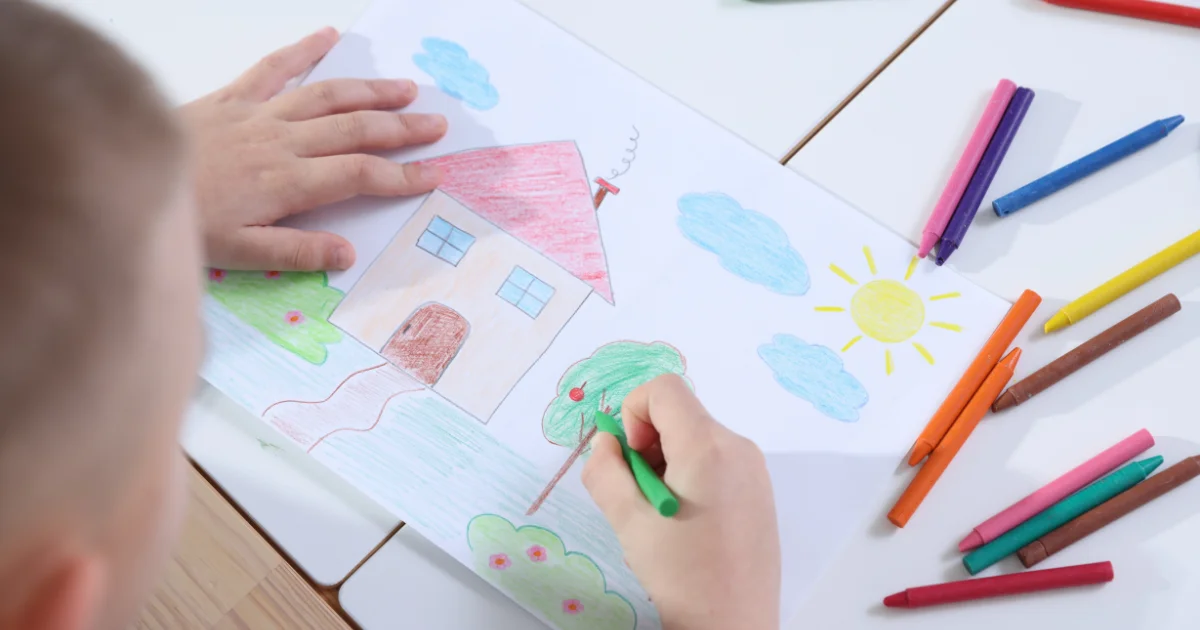
Watching your child grip a crayon for the first time is a significant developmental milestone. You might notice how they focus on staying within the lines while expressing their unique creativity. Artistic expression is a vital tool for building the physical strength your child needs for school.

As parents, you play a crucial role in providing the right environment for these tiny movements to flourish. Offering a variety of shades and textures can make the practice even more engaging for little fingers.
By engaging with creative printables, youngsters learn to coordinate their hands and eyes. This process helps them master the precise movements required for buttoning shirts or using utensils.
Nurturing these abilities early ensures your child feels confident as they grow. It turns a fun hobby into a meaningful learning experience.
Key Takeaways
- Improves hand-eye coordination through focused practice.
- Strengthens small hand muscles necessary for daily tasks.
- Develops better tool control and pencil grip.
- Enhances concentration and focus during quiet play.
- Encourages artistic confidence and self-expression.
- Prepares children for future writing and drawing success.
Understanding Fine Motor Skills and Why They Matter for Your Child
The development of fine motor skills is a fundamental aspect of your child’s growth and independence. Fine motor skills are essential for performing tasks that require precision and coordination. As a parent, it’s crucial to understand the role these skills play in your child’s daily life and how activities like coloring can significantly contribute to their development.
What Fine Motor Skills Actually Are
Fine motor skills refer to the ability to make precise movements with the small muscles in your hands, fingers, and wrists. These skills are vital for tasks such as grasping objects, writing, and even dressing. Fine motor skills involve the coordination of muscles, bones, and nerves to perform delicate movements. Activities that enhance fine motor skills help improve dexterity and hand-eye coordination.

How Fine Motor Skills Impact Your Child’s Daily Life
Fine motor skills have a significant impact on your child’s ability to perform everyday tasks. From tying shoelaces and using utensils to writing and drawing, these skills are fundamental. Children with well-developed fine motor skills tend to be more confident and independent in their daily activities. Moreover, fine motor skills are closely linked to academic performance, particularly in tasks that involve writing and drawing.
The Connection Between Coloring and Essential Life Skills
Coloring is more than just a fun activity; it’s a valuable tool for developing fine motor skills. Through coloring, children improve their hand-eye coordination, learn to hold and manipulate crayons or pencils, and develop the finger dexterity necessary for writing. Engaging in coloring activities is an effective way to enhance fine motor skills, laying the groundwork for more complex tasks later in life. By incorporating coloring into your child’s routine, you’re providing them with a foundation for success in various aspects of life.
How Coloring Pages Fine Motor Skills Development Actually Works
Fine motor skills development is significantly influenced by activities such as coloring, which require precision and control. When children color, they engage in a complex process that involves various muscle groups and neurological pathways.

The Science Behind Coloring and Muscle Development
Coloring activities stimulate the development of fine motor skills by activating specific muscle groups in the hands and fingers. This process is rooted in the science of motor control and muscle physiology.
Small Muscle Groups Activated During Coloring
During coloring, the small muscle groups in the fingers, particularly those involved in gripping and manipulating the coloring instrument, are activated. This activation helps strengthen these muscles, enhancing dexterity and control.
Building Hand Strength Through Repetitive Movements
Repetitive movements involved in coloring, such as grasping, moving, and coloring within boundaries, contribute to building hand strength. This repetitive motion is crucial for developing the endurance needed for more complex tasks.
How Your Child’s Brain Develops Through Coloring Activities
Coloring activities not only affect physical development but also contribute to neurological growth. As children color, their brains are processing visual information, making decisions about color choices, and coordinating hand movements.
This process enhances cognitive development and improves the connection between the brain and the muscles involved in fine motor activities.
The Progressive Nature of Fine Motor Skill Building
Fine motor skill development through coloring is a progressive process. As children become more adept at coloring, they can move on to more complex activities that challenge their fine motor skills further.
Using printable fine motor skills worksheets can be an effective way to provide progressive exercises tailored to a child’s developmental stage.
Specific Fine Motor Skills Your Child Gains from Coloring Activities
Coloring is more than just a fun activity; it’s a powerful tool for enhancing your child’s fine motor abilities. Through various coloring exercises and activities, children can develop a range of fine motor skills that are crucial for their overall development and future academic success.
Enhancing Hand-Eye Coordination Through Coloring
One of the primary fine motor skills that coloring helps develop is hand-eye coordination. This skill is essential for tasks that require the hands to work in tandem with the eyes. Coloring activities, especially those that involve staying within lines or creating specific patterns, significantly enhance this coordination.
Hand-eye coordination is vital for various daily activities, including writing, drawing, and even sports. By regularly engaging in coloring, your child can improve their ability to coordinate hand movements with visual information.
Developing Proper Pencil Grip and Writing Readiness
A proper pencil grip is fundamental for writing readiness. Coloring activities play a significant role in developing this grip. As children color, they begin to understand how to hold a crayon or pencil correctly, applying the right amount of pressure.
The Tripod Grip and How Coloring Reinforces It
The tripod grip, which involves holding a writing instrument between the thumb, index, and middle fingers, is the most effective grip for writing. Coloring activities, especially those that require precision, help reinforce this grip.
Pressure Control and Pencil Manipulation
Coloring also teaches children to control the pressure they apply while coloring, which is crucial for writing. By learning to vary the pressure, children can develop the fine motor control needed for writing legibly.
| Skill Developed | Coloring Activity | Benefit |
|---|---|---|
| Hand-Eye Coordination | Staying within lines, creating patterns | Improves coordination between hands and eyes |
| Pencil Grip | Coloring with crayons or pencils | Develops proper grip for writing |
| Pressure Control | Varying color intensity | Enhances fine motor control for legible writing |
Strengthening Bilateral Coordination Skills
Bilateral coordination refers to the ability to use both hands together in a coordinated manner. Many coloring activities, such as using one hand to hold the paper and the other to color, help strengthen this skill.
Improving Finger Isolation and Dexterity
Finger isolation and dexterity are critical for tasks that require precise finger movements, such as writing and drawing. Coloring activities that involve intricate designs or small areas help improve these skills.
By engaging in a variety of coloring activities, your child can significantly enhance their fine motor skills, laying a strong foundation for their future academic and personal development.
Age-Appropriate Coloring Activities and Exercises for Maximum Benefit
The key to maximizing the benefits of coloring for fine motor skills lies in tailoring activities to your child’s age and developmental stage. As children grow, their fine motor abilities evolve, and so should the complexity and challenge of their coloring activities.
Coloring Activities for Toddlers and Preschoolers (Ages 2-4)
For young children, the focus is on developing basic fine motor skills through simple and engaging activities.
Large Shape Coloring for Beginning Skills
Large shape coloring is an excellent way to introduce toddlers to the world of coloring. It helps them develop the necessary hand-eye coordination and basic motor skills. Using large crayons or markers, children can color big shapes, gradually improving their ability to control their movements.
Finger Painting and Crayon Exploration
Finger painting and crayon exploration are other effective methods for enhancing fine motor skills in toddlers. These activities allow children to experiment with different textures and colors, fostering creativity while developing their motor skills.
Fine Motor Skills Coloring Sheets for Early Elementary (Ages 5-7)
As children enter early elementary school, they can engage in more complex coloring activities that challenge their fine motor skills further.
Detailed Pattern Coloring
Detailed pattern coloring sheets are ideal for this age group. They require children to color within specific boundaries, enhancing their hand-eye coordination and fine motor control. Using a variety of colors can also help improve their color recognition and decision-making skills.
Staying Within the Lines Exercises
Staying within the lines exercises are crucial for developing precision and control. These activities help children understand the importance of boundaries and improve their ability to maneuver coloring tools.
Advanced Coloring Exercises for Older Children (Ages 8+)
For older children, more complex and challenging coloring activities can be introduced to further refine their fine motor skills.
Intricate Design Coloring
Intricate design coloring pages offer a higher level of complexity, requiring children to use more precise movements and control. This helps in refining their fine motor skills and enhancing their patience and concentration.
Blending and Shading Techniques
Introducing blending and shading techniques can add another layer of challenge and creativity to coloring activities. These techniques require children to apply varying pressures and strokes, further developing their fine motor abilities.
Conclusion
As you’ve seen, coloring pages play a significant role in helping children develop fine motor skills essential for their overall growth. By incorporating coloring activities into your child’s daily routine, you’re supporting their hand-eye coordination, pencil grip, and writing readiness.
Regular coloring practice can have a lasting impact on your child’s ability to perform daily tasks with ease and confidence. As they progress through different stages of coloring activities, they’ll develop the dexterity and coordination needed for more complex tasks.
To maximize the benefits, consider making coloring a fun and engaging experience for your child. Choose age-appropriate coloring pages and encourage them to experiment with different colors and techniques. By doing so, you’ll be helping your child build a strong foundation for future success.
FAQ
How do coloring pages fine motor skills development work for my young child?
When your child engages with coloring pages fine motor skills, they are performing complex tasks that require the brain to coordinate with the small muscles in the hands and wrists. By using tools like Crayola crayons or Faber-Castell colored pencils, your child practices the precise movements necessary to control the writing instrument. These fine motor skills exercises through coloring build the foundational strength needed for later tasks, such as buttoning clothes or tying shoelaces.
What makes preschool fine motor skills coloring pages different from standard coloring activities?
Specifically designed preschool fine motor skills coloring pages, such as those found in Melissa & Doug activity sets, often feature thicker lines and simpler shapes. These coloring activities for fine motor skills are tailored to a younger child’s developmental stage, allowing them to experience success in staying within the lines while they are still mastering basic hand control and spatial awareness.
How can I use coloring pages for pencil grip development to improve my child’s handwriting?
Utilizing coloring pages for pencil grip development is one of the most effective ways to transition your child from a “palmar grasp” to the “tripod grip” required for school. As you encourage your child to use Prismacolor pencils on fine motor skills coloring sheets, they learn how to apply the right amount of pressure and how to manipulate the pencil with their fingers rather than their whole arm, which is essential for writing readiness.
Are printable fine motor skills worksheets better than traditional coloring books?
Both have their merits, but printable fine motor skills worksheets and fine motor skills coloring printables offer the advantage of variety and targeted practice. You can select specific coloring pages for hand-eye coordination that match your child’s current ability level, whether they need large, simple shapes or more intricate fine motor skills coloring sheets that challenge their dexterity and focus.
How do coloring pages for hand-eye coordination benefit older children?
For older children, coloring pages for hand-eye coordination often involve complex patterns like Mandalas or detailed botanical illustrations. Engaging in these coloring activities for fine motor skills helps refine their “visual-motor integration.” By focusing on small details and color blending with high-quality tools like Staedtler fineliners, older children continue to sharpen their precision and concentration, which aids in advanced tasks like science experiments or playing musical instruments.
Can I find specific fine motor skills coloring printables for bilateral coordination?
Yes, many fine motor skills coloring printables are designed to encourage bilateral coordination, which is the ability to use both sides of the body at once. When your child uses one hand to hold the printable fine motor skills worksheets steady while the other hand colors, they are practicing this essential skill. This dual-action requirement makes coloring activities for fine motor skills a comprehensive workout for their developing nervous system.