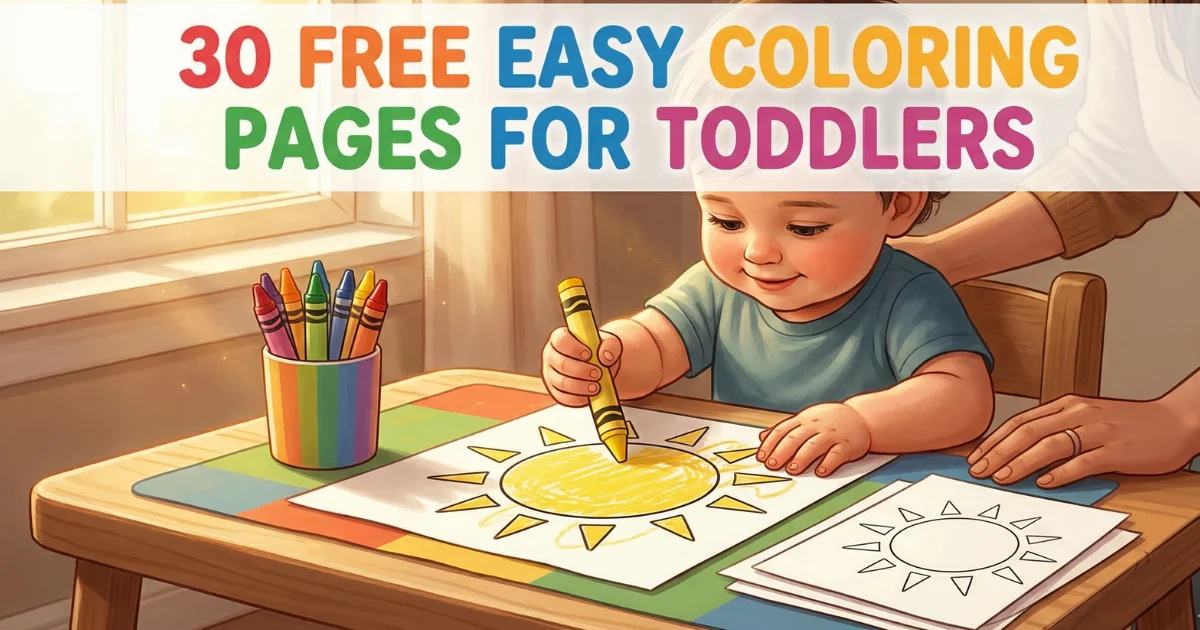
30 Easy Coloring Pages for Toddlers and 2-Year-Olds
Table of Contents
30 Easy Coloring Pages for Toddlers and 2-Year-Olds (Free Printable PDF)
There is something magical about the moment a toddler picks up a crayon for the first time and makes their mark on a page. That simple act — choosing a color, gripping a crayon, pressing it to paper — is the beginning of a creative life. It is also the beginning of developing skills that will support everything from writing to reading to emotional regulation.
But here is something many parents discover the hard way — not all coloring pages work for toddlers. A page designed for a 7-year-old will frustrate a 2-year-old completely. The areas to color are too small, the outlines are too thin, and the details are too complex for little hands that are still learning to hold a crayon.
These 30 free easy coloring pages are designed specifically for toddlers and 2-year-olds. Every single page features the bold thick outlines, large open areas, and simple familiar subjects that make coloring feel joyful and achievable for the very youngest colorists.
Every page is completely free to download and print. No sign-up, no payment required.


Why These Coloring Pages Are Different
Most coloring pages available online are designed for children aged 5 and up. They have thin outlines, small areas to color, and detailed backgrounds that are simply impossible for a 2 or 3-year-old to navigate successfully.
These 30 pages are built from the ground up with toddler development in mind. Here is exactly what makes them right for your youngest colorist:
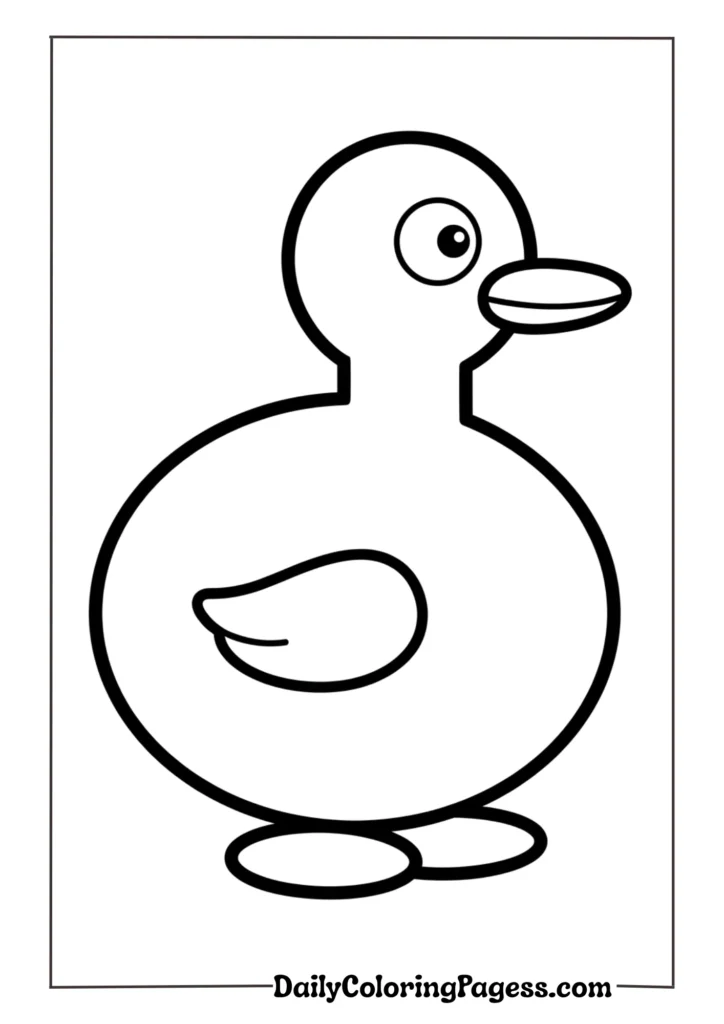
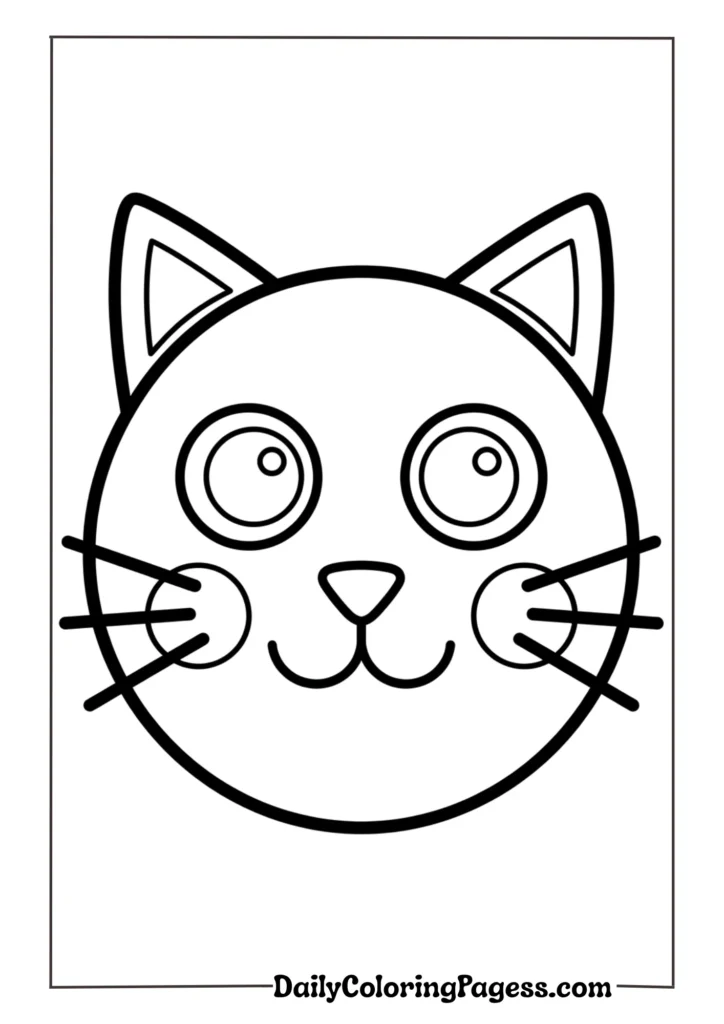
Extra thick bold outlines: Every page has outlines that are significantly thicker than standard coloring pages. This gives toddlers a generous target to color within and makes the image clearly visible even when colored over enthusiastically.
Very large open areas: Each page has large simple open areas with nothing inside them — just white space ready to be filled. Toddlers do not need to worry about staying within tiny spaces. The entire interior of each shape is one open area inviting free expressive coloring.
Single subject per page: Every page features one single large subject centered on the page — one sun, one apple, one cat, one flower. There are no busy backgrounds, no secondary objects, no visual clutter. Just one big clear image that even the youngest child can immediately recognize and name.
Familiar subjects: Every image in this collection is something a toddler already knows and loves — animals, food, simple objects, vehicles, and natural elements. Familiarity creates confidence and enthusiasm before the crayon even touches the paper.
No tiny details: There are no small internal details on any page in this collection. Eyes are large simple circles. Stripes are wide. Patterns are bold and simple. Nothing requires precise fine motor control to color successfully.

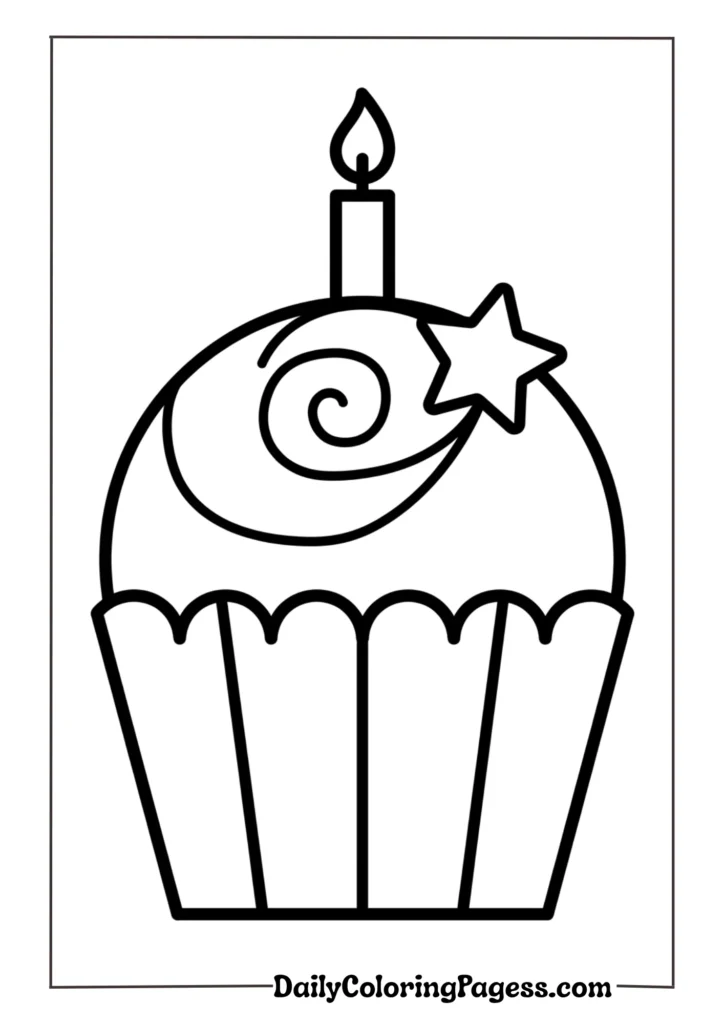
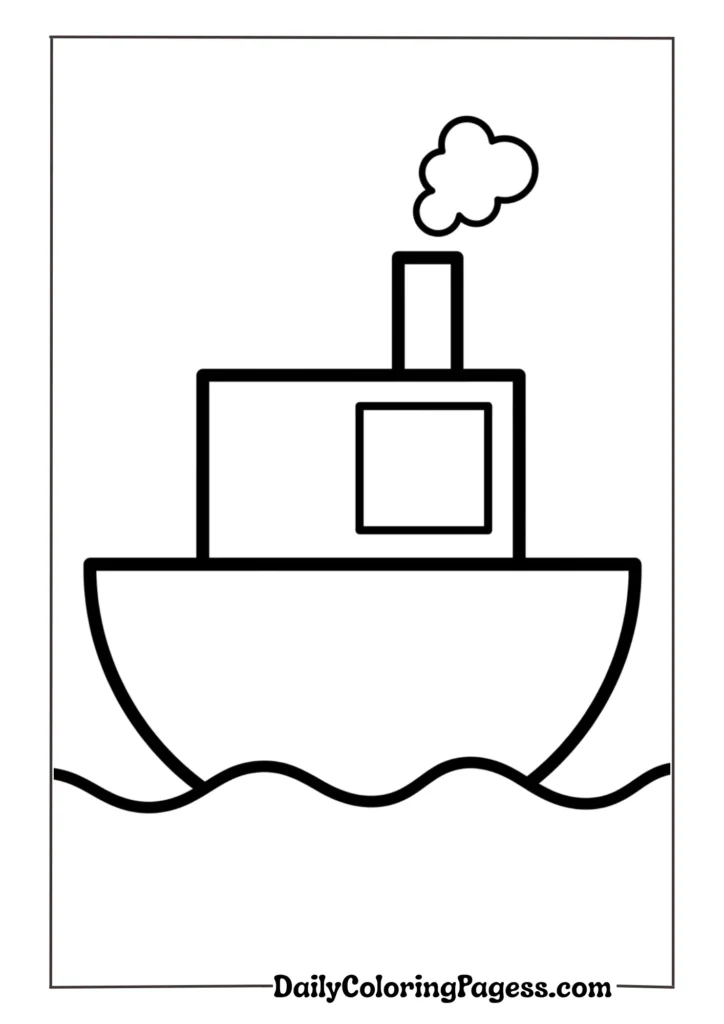
Here are more wonderfully simple coloring pages designed perfectly for toddler hands and toddler attention spans.
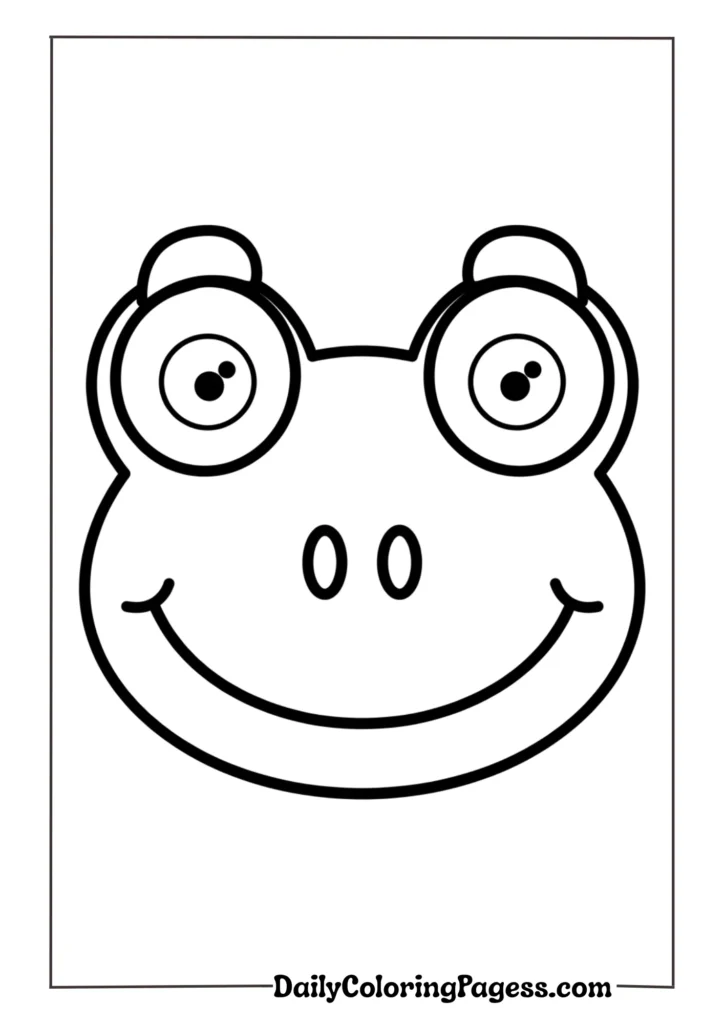
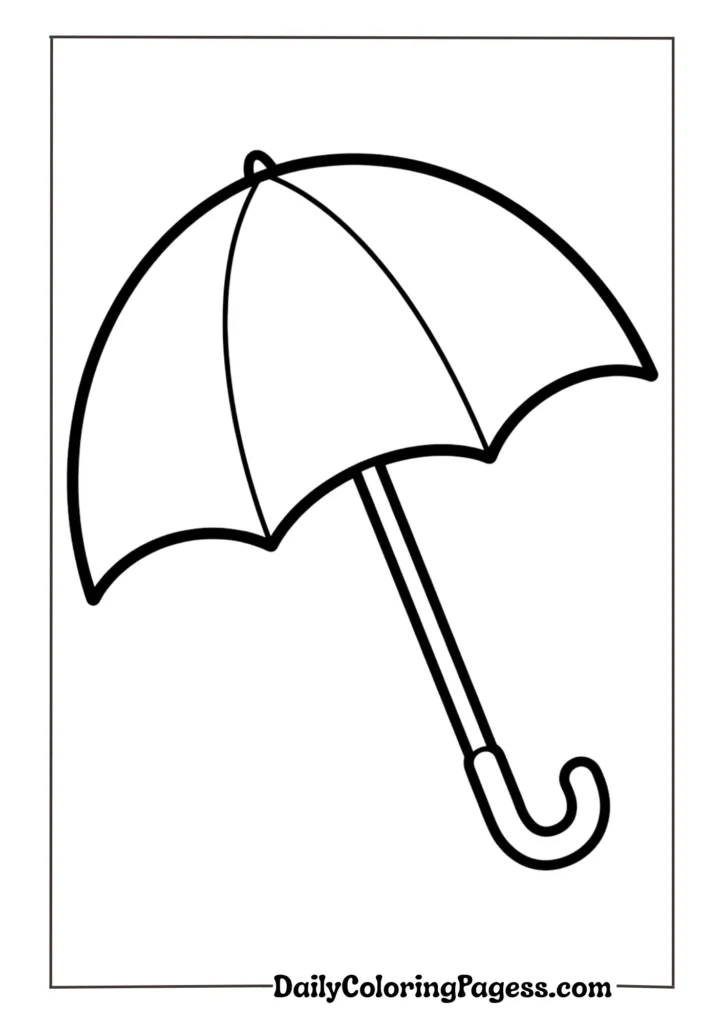

The 30 Subjects in This Collection
Every page features a single familiar subject designed to be immediately recognizable and exciting for toddlers:
- Smiling sun
- Cat face
- Apple
- Fish
- Duck
- Star
- Flower
- House
- Butterfly
- Elephant
- Heart
- Ball
- Dog face
- Banana
- Rainbow
- Tree
- Car
- Bird
- Strawberry
- Teddy bear
- Moon and stars
- Snail
- Umbrella
- Frog
- Boat
- Bee
- Cupcake
- Dinosaur
- Lion face
- Balloon
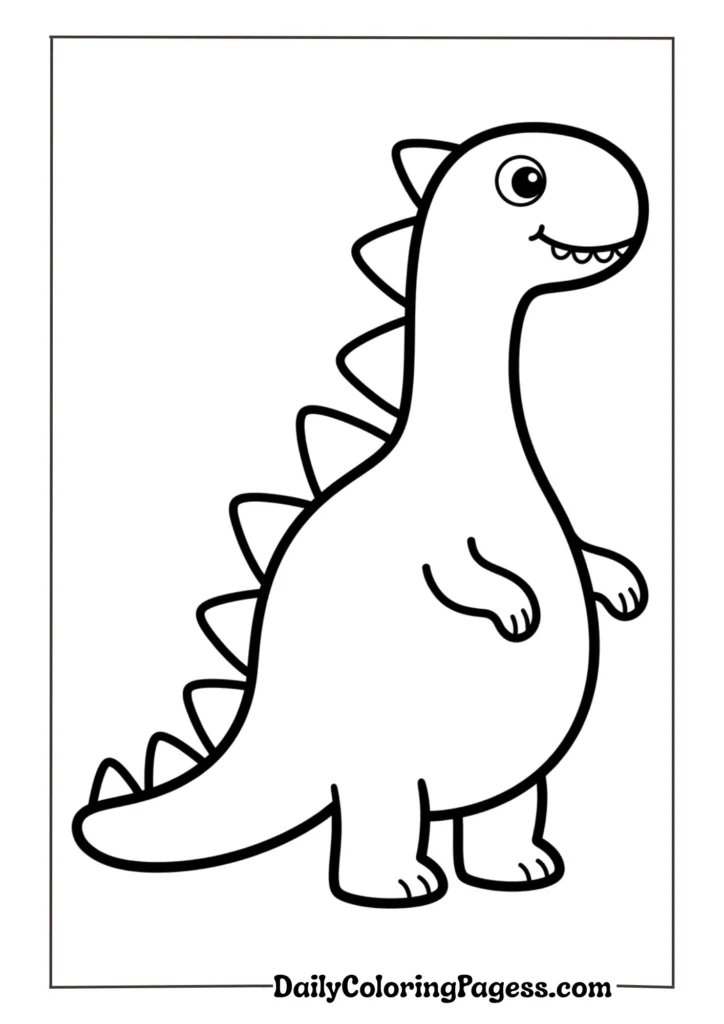

The Developmental Benefits of Coloring for Toddlers
Coloring is not just a fun activity for toddlers — it is a genuinely important developmental tool. Here is what happens developmentally every time your toddler picks up a crayon:
Fine motor skill development: Gripping a crayon, controlling its pressure, and directing it across the paper builds the small muscle strength and coordination in the hands and fingers that children need for writing. Every coloring session is simultaneously a pre-writing exercise.
Hand-eye coordination: The act of looking at a shape on the page and directing the crayon toward and within that shape develops hand-eye coordination — the ability of the eyes and hands to work together precisely. This fundamental skill supports everything from writing to sports to self-care tasks like buttoning clothes.
Color recognition: Choosing colors and applying them to specific subjects builds color vocabulary and color recognition. A toddler who regularly colors suns yellow, apples red, and grass green is building a rich understanding of color in the real world.
Pencil grip development: The way a child holds their crayon at age 2 sets the foundation for how they will hold a pencil at age 5. Regular coloring with thick crayons helps toddlers develop a functional grip naturally over time.
Concentration and focus: Staying with a coloring activity for even 5 to 10 minutes builds the attention span and focus that children need for learning. This capacity for sustained attention grows gradually with regular practice.
Emotional expression: Color choice in young children often reflects emotional states. The freedom to choose any color they want and apply it however they wish gives toddlers a non-verbal outlet for expressing feelings and experiences.
Sense of accomplishment: Completing a coloring page — even coloring just the big sun yellow — gives toddlers a genuine sense of accomplishment and pride. This positive experience with creative tasks builds confidence and a love of making things.

Tips for Coloring with Toddlers
Coloring with a 2 or 3-year-old is a completely different experience from coloring with an older child. Here are practical tips that make the experience joyful for both of you:
Use the right crayons: For toddlers aged 2 to 3 use jumbo or chunky crayons — the thick ones specifically designed for small hands. Standard thin crayons are too difficult to grip and break too easily. Brands like Crayola Jumbo Crayons and Faber-Castell Jumbo Grip Crayons are excellent choices.
Keep sessions short: A toddler’s attention span for any single activity is typically 5 to 10 minutes. Do not try to extend a coloring session beyond your child’s natural limit. End the session while they are still engaged and wanting more rather than pushing past their capacity and ending in frustration.
Celebrate process not outcome: A toddler’s finished coloring page will not look like the image on the page. It will be scribbled, outside the lines, and possibly contain only one or two colors. This is exactly right. Never correct your toddler’s coloring or suggest they should stay inside the lines. Celebrate the effort and the engagement — not the outcome.
Color together: Sit beside your toddler and color alongside them. Choose your own colors. Make your own marks. When children see adults coloring they become more engaged and more enthusiastic. Your participation communicates that this activity is worthwhile and enjoyable.
Name the colors: As you color together name the colors out loud — you chose yellow for the sun, that is a great choice. Now you are adding some orange. The sun has yellow and orange. This natural commentary builds color vocabulary effortlessly.
Name the subject: Before coloring begin by talking about what is on the page. What animal is this? What sound does a duck make? Where do we see ducks? This brief discussion primes your child’s engagement and connects the coloring activity to their existing knowledge of the world.
Do not worry about staying in the lines: The ability to color within lines develops gradually between ages 4 and 6. At age 2 and 3 staying within lines is developmentally inappropriate to expect. The lines on these pages are extra thick to give toddlers a generous target but coloring over the lines is perfectly fine and completely expected.

How to Set Up a Toddler Coloring Station
Creating a dedicated coloring space for your toddler makes the activity more accessible and more sustainable as a regular routine.
The right table: Use a low table or activity table that allows your toddler to sit comfortably with their feet on the floor. A table that is too high makes coloring awkward and tiring.
The right chair: A small chair that allows your toddler to sit with hips at 90 degrees and feet flat on the floor provides the stable base they need to use their hands effectively.
The right crayons: Keep a small selection of six to eight jumbo crayons in a simple cup or container at the coloring station. Too many color choices can overwhelm young children. Six to eight colors is plenty for toddlers.
Pre-printed pages: Keep a stack of five to eight pre-printed coloring pages at the station ready to use. Having pages immediately available means the activity can start instantly without any preparation delay.
Easy clean up: Put a simple vinyl tablecloth or a sheet of newspaper under the coloring pages to protect the table surface. Keep a damp cloth nearby for easy clean up of crayon marks on hands and table.


⬇️ Download All 30 Easy Toddler Coloring Pages — Free PDF
Ready to print the complete collection for your toddler? Click the button below to download all 30 pages as a free high resolution PDF. Every page is print ready and perfectly sized for standard A4 or US Letter paper.
No sign-up required. Completely free. Print as many times as you like.
Frequently Asked Questions
What age can toddlers start coloring? Most children can begin simple coloring activities from around 18 months to 2 years old. At this age they will make random marks rather than intentionally coloring specific areas — and that is perfectly normal and developmentally appropriate. By age 2 to 3 most children begin to show more intentional coloring behavior. By age 3 to 4 most children can color specific areas of a simple page with some degree of control.
Should I use crayons or colored pencils for toddlers? For toddlers aged 2 to 4 jumbo crayons are strongly preferred over colored pencils. Crayons are easier to grip, more break resistant, and deposit color more readily with less pressure — all important factors for small developing hands. Standard thin colored pencils require more fine motor control than most toddlers have developed.
My toddler just scribbles and does not color the picture — is that normal? Completely normal. Toddlers aged 2 to 3 are in what developmental experts call the scribbling stage. They are exploring what happens when they move a crayon across paper — not trying to color a specific image. Do not try to redirect them to color within the lines. Simply enjoy the exploration alongside them. Intentional coloring of specific areas develops gradually between ages 3 and 5.
How long should a toddler coloring session be? For toddlers aged 2 to 3 aim for 5 to 10 minutes per session. For children aged 3 to 4 sessions of 10 to 15 minutes work well. Always end the session while your child is still engaged rather than waiting for them to lose interest completely. Ending on a positive note makes it more likely they will want to color again tomorrow.
Can coloring pages be harmful to toddlers if they chew the crayons? Most major crayon brands including Crayola are certified non-toxic and safe even if small amounts are ingested. However chewing crayons is not desirable and should be gently discouraged. If your toddler is in a developmental stage where they put everything in their mouth supervise coloring sessions closely and choose specifically labeled non-toxic crayons.
How many coloring pages should I print at once? For toddlers print two to three pages at a time. Too many choices can be overwhelming for young children. Having two or three options available gives them the pleasure of choosing without the paralysis of too much choice.
Every mark a toddler makes is a masterpiece. 🖍️
— Lina, Daily Coloring Pages