
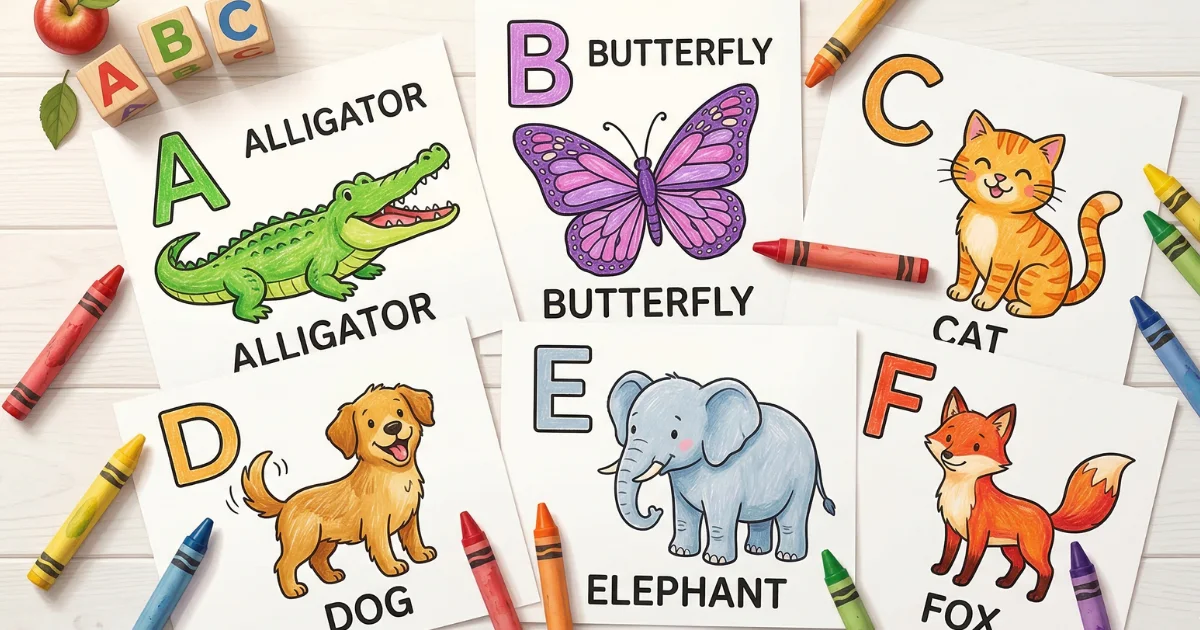
Alphabet Coloring Pages A to Z — Free Printable Letters (PDF)
Table of Contents
Alphabet Coloring Pages A to Z — Free Printable Letters (PDF)
Learning the alphabet is one of the most important milestones in a young child’s life. And while flashcards and worksheets have their place, there is something truly special about learning letters through the joy of coloring.
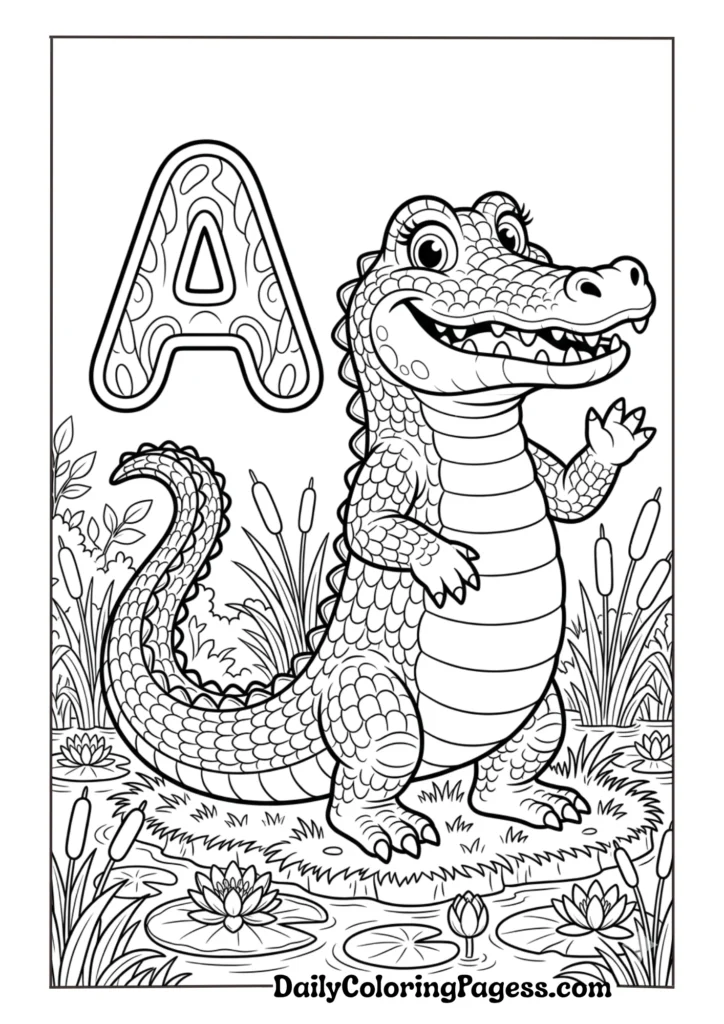
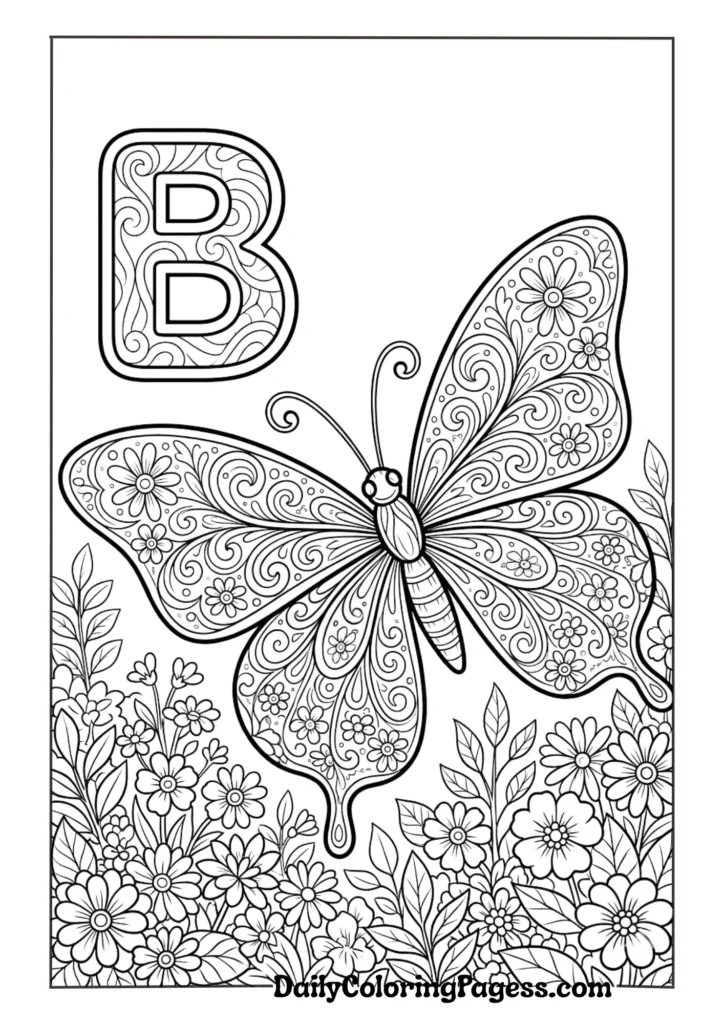
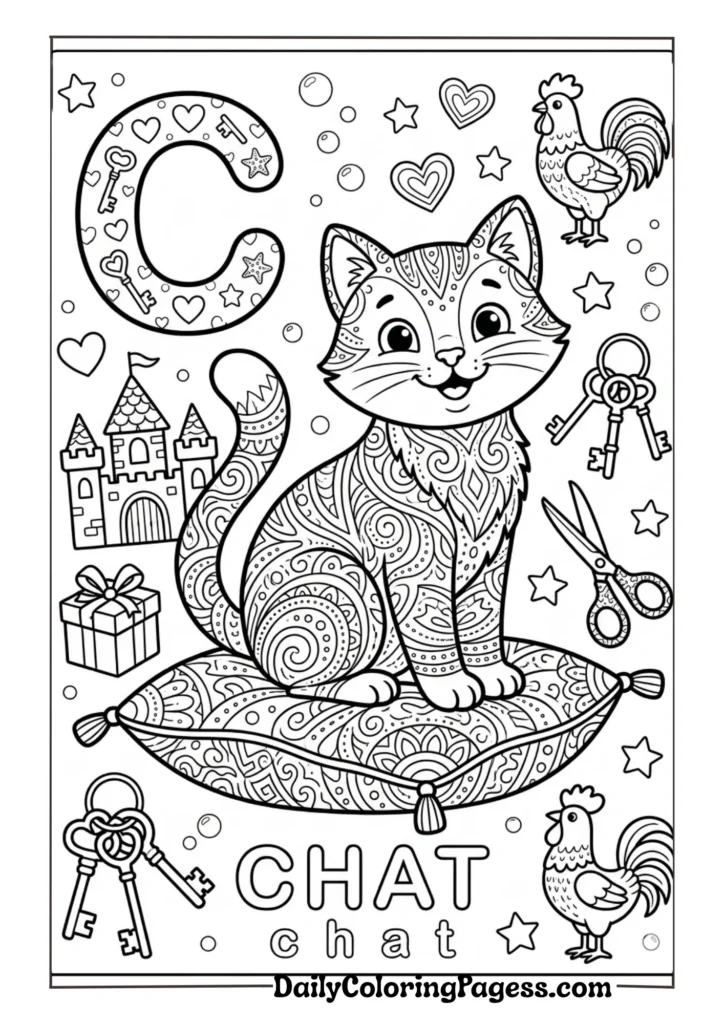
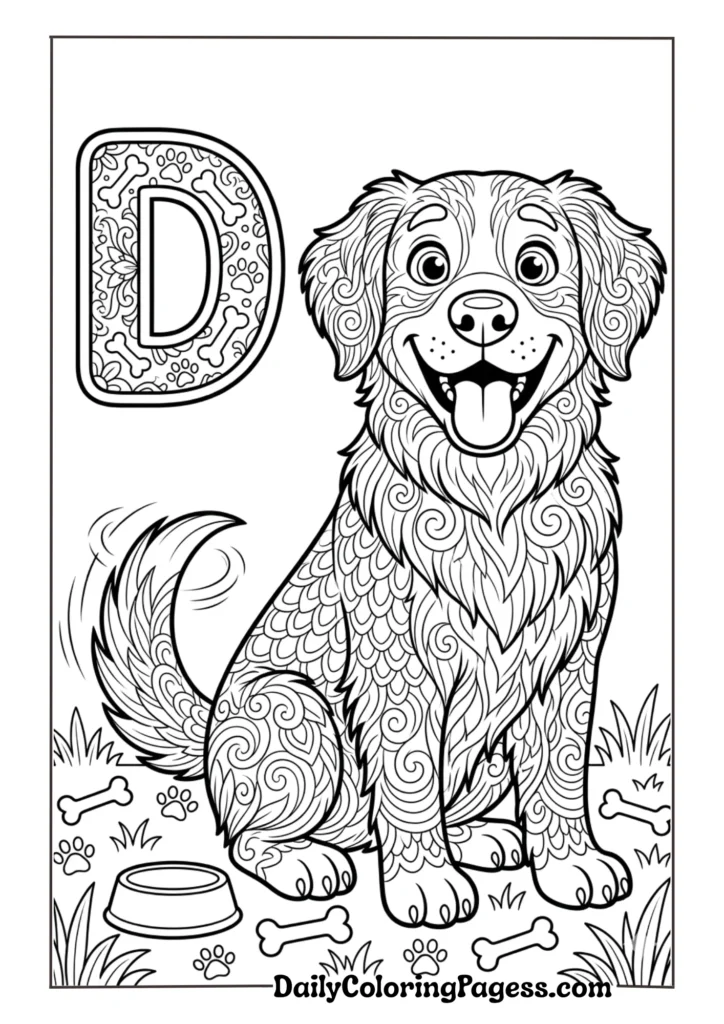
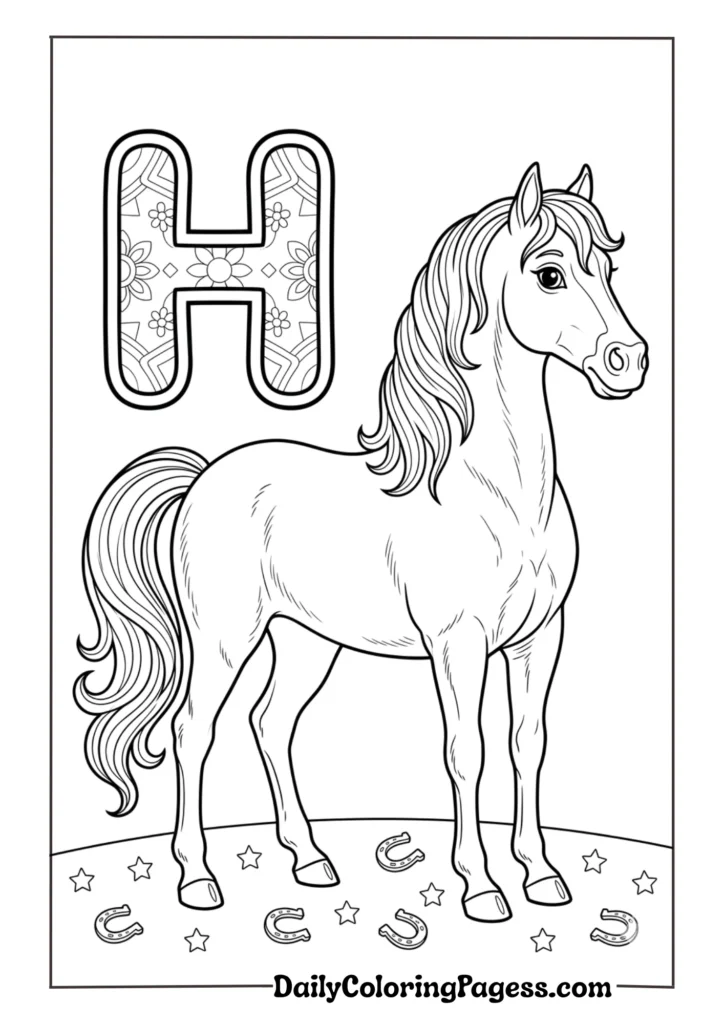
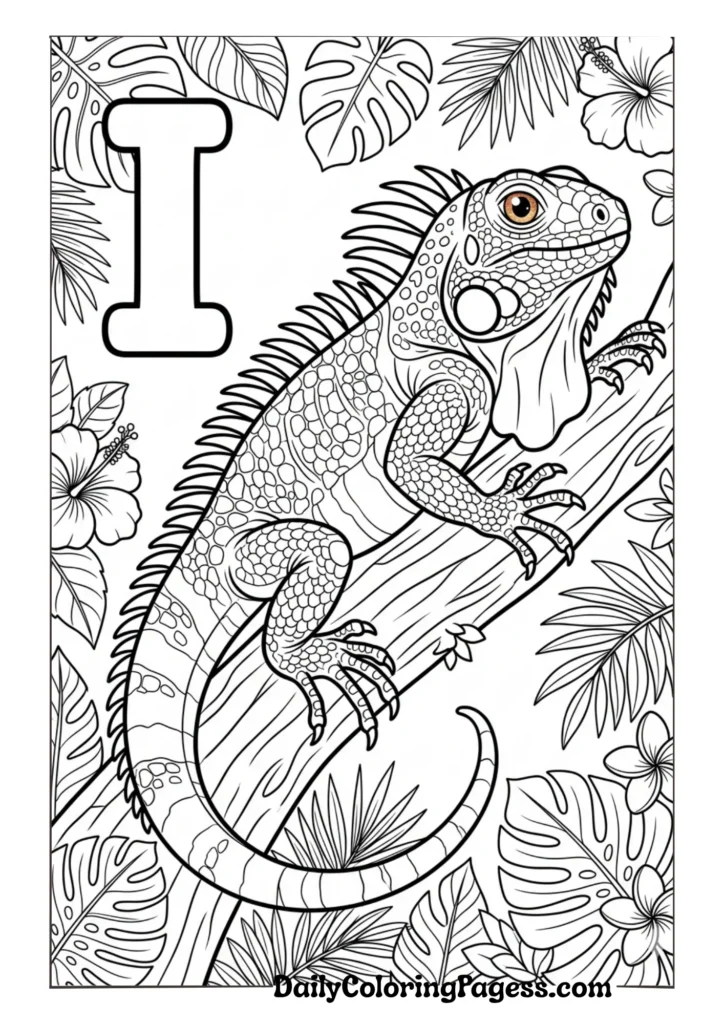
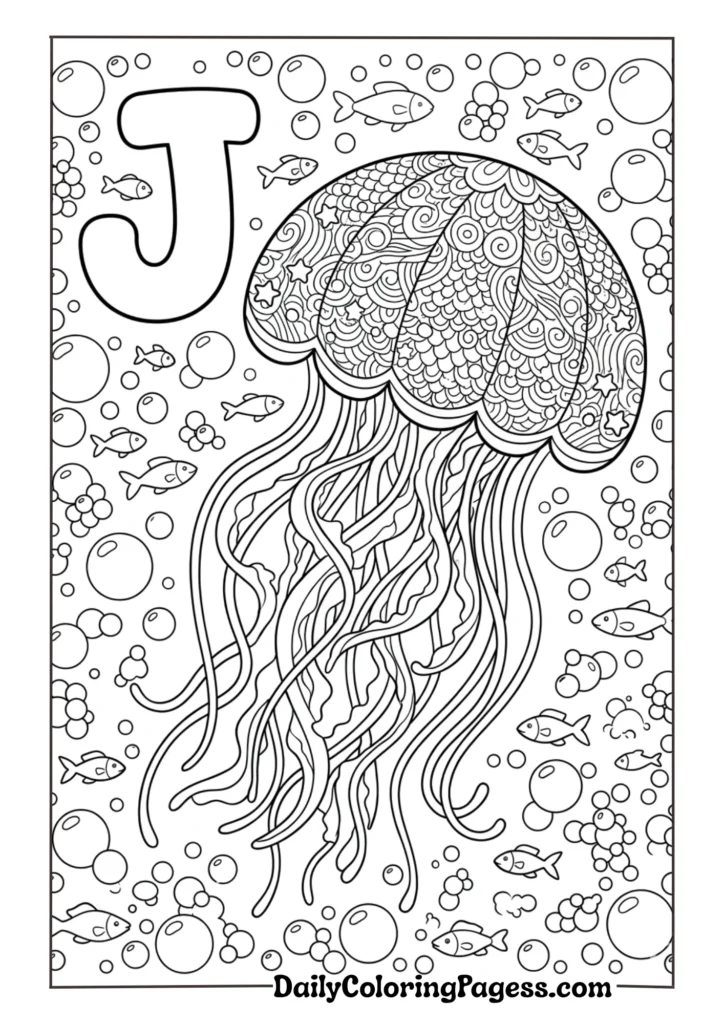
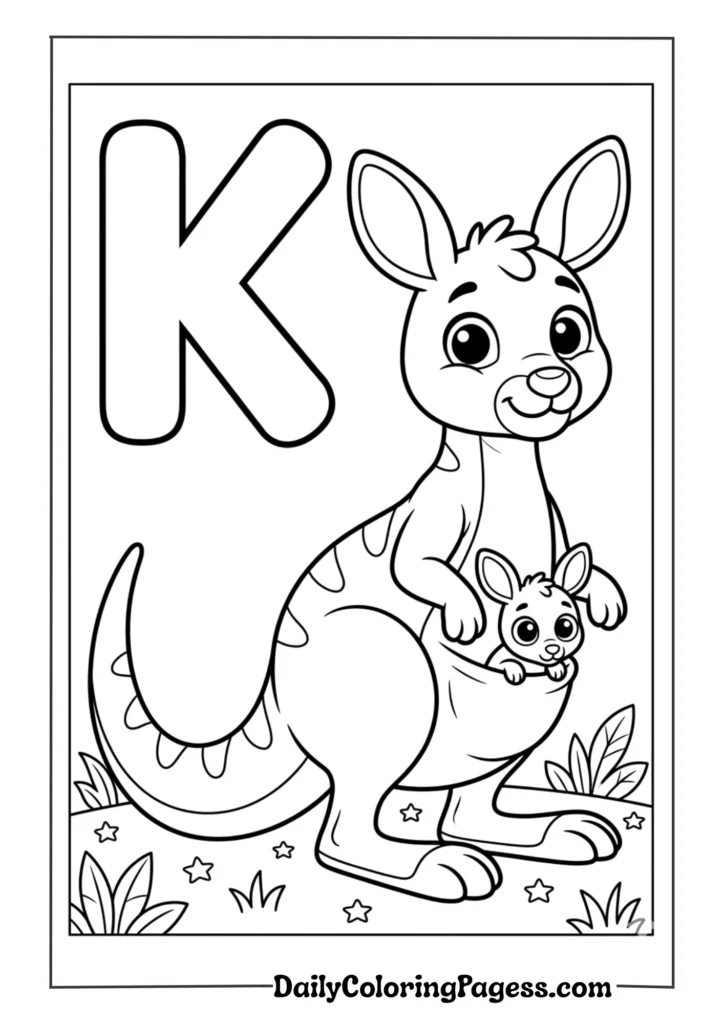
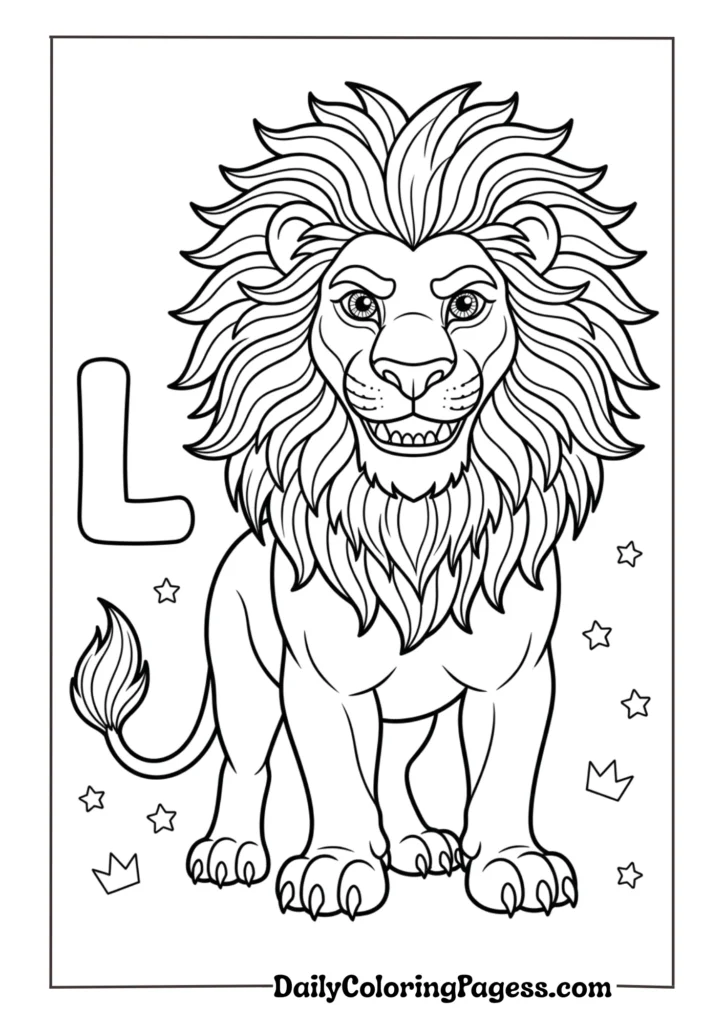
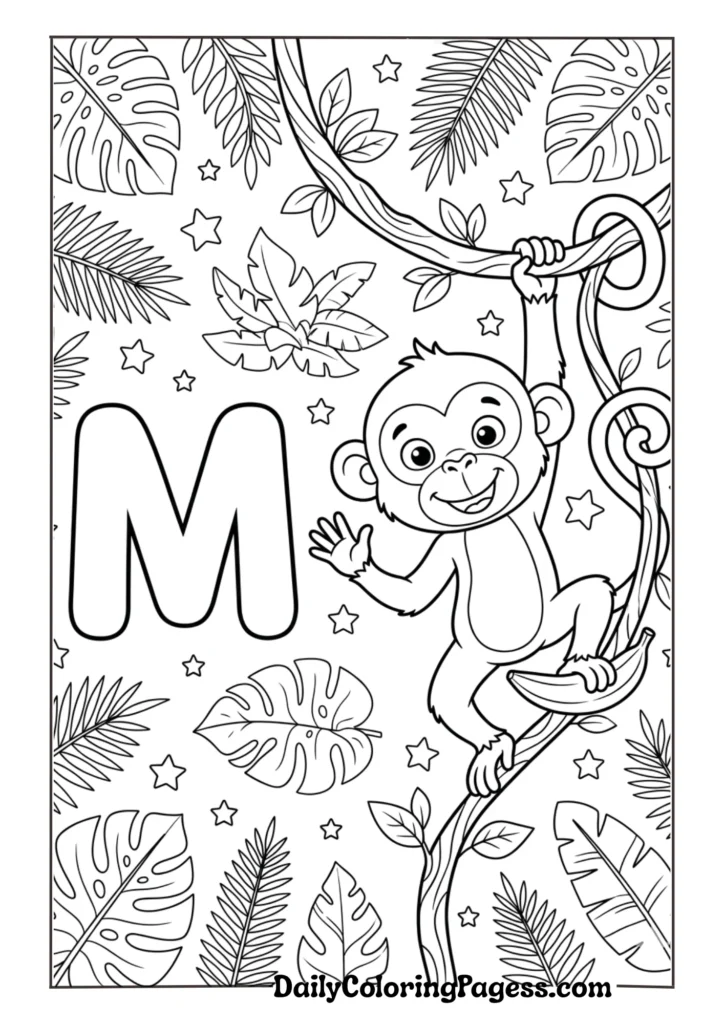
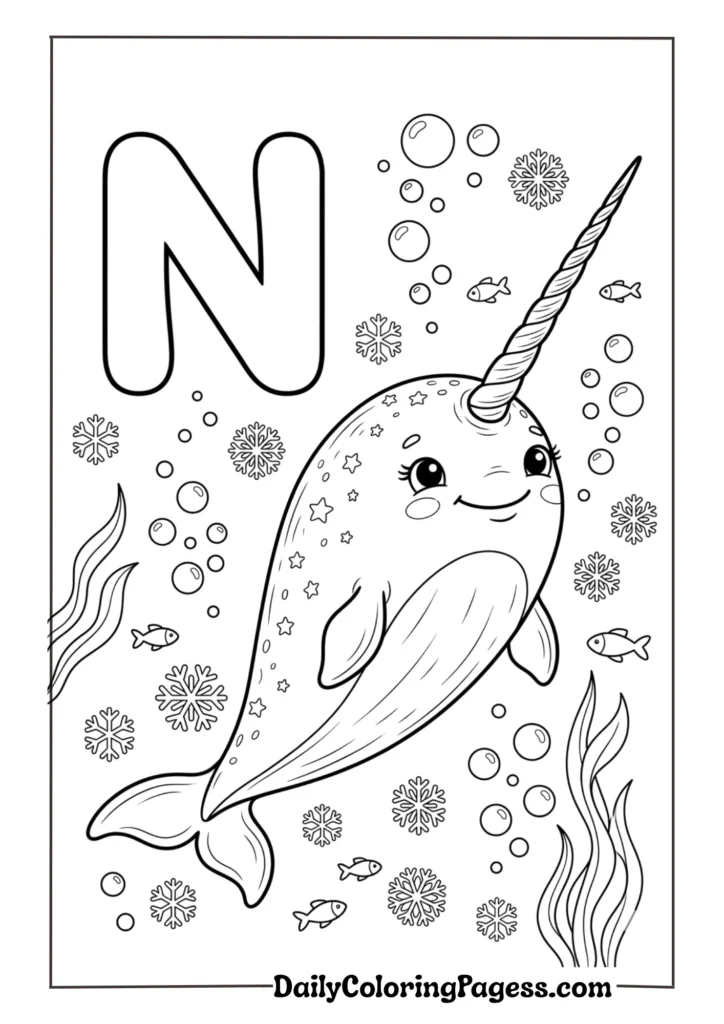
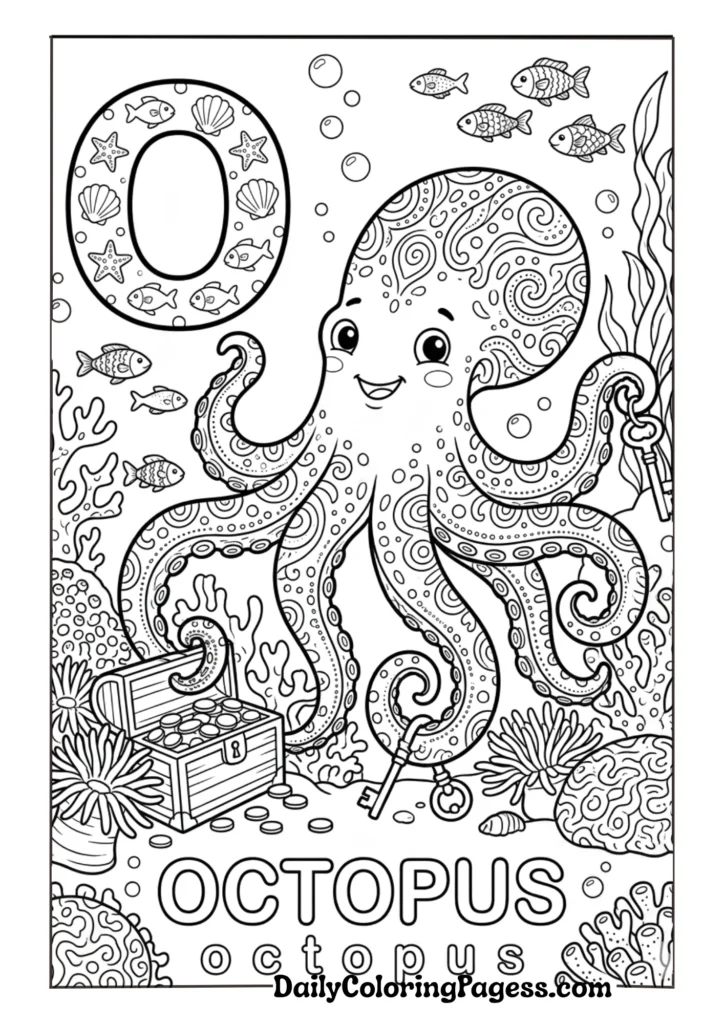
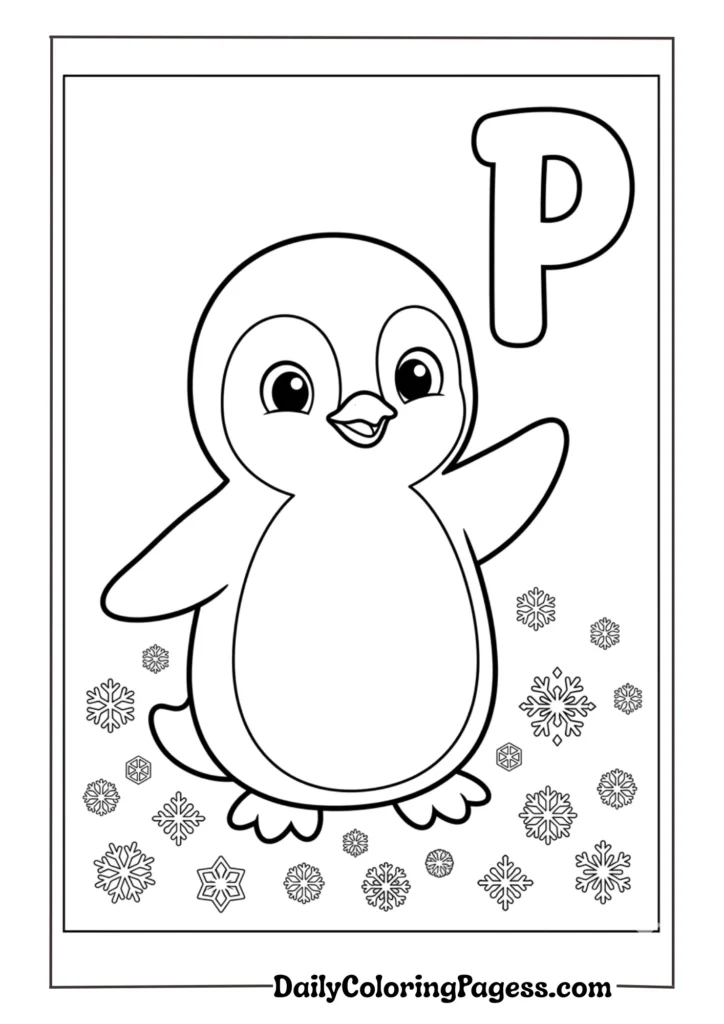
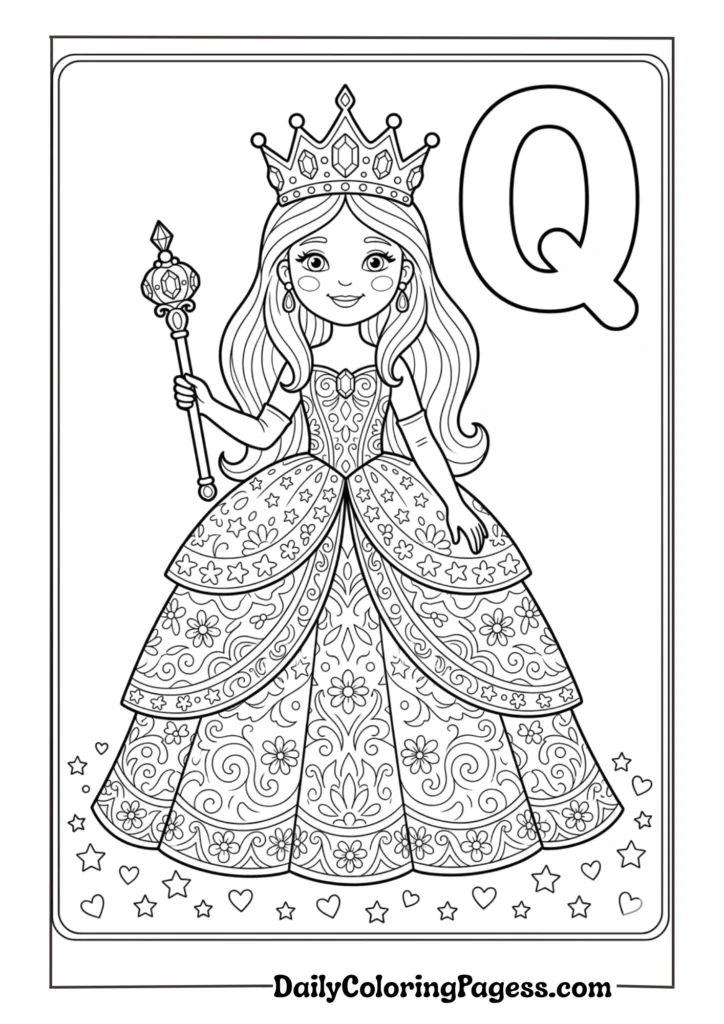
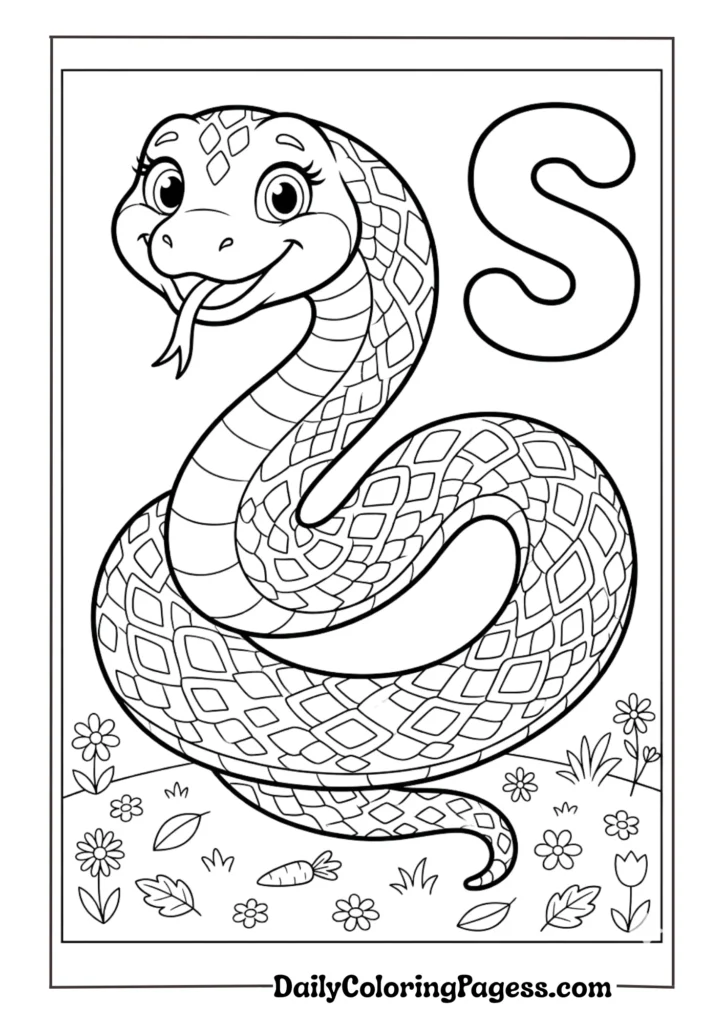
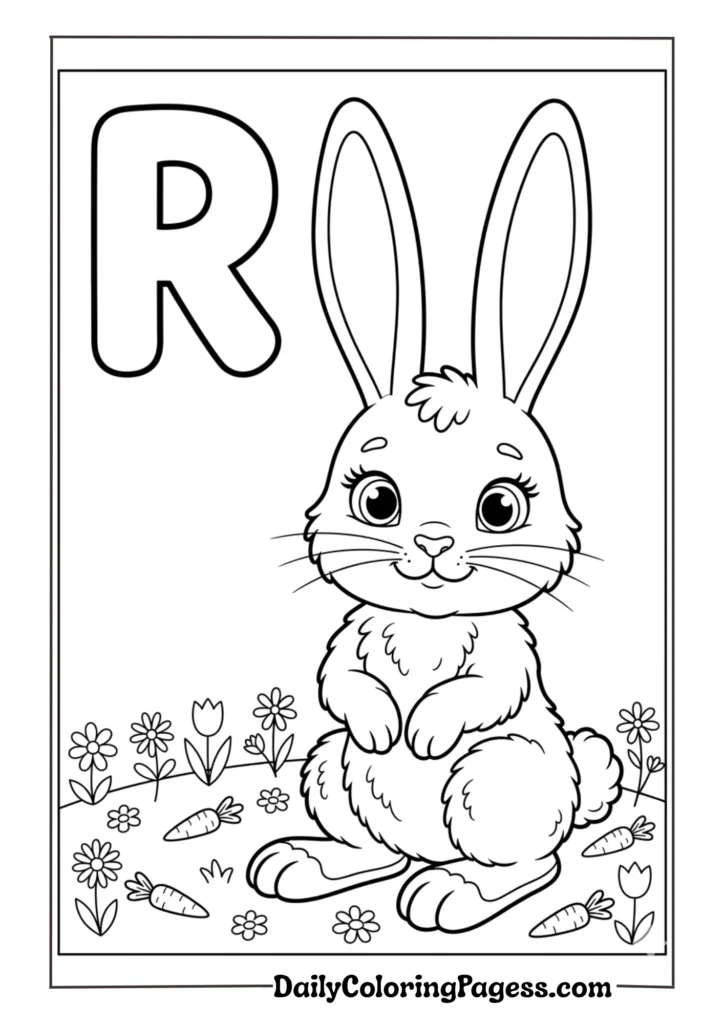
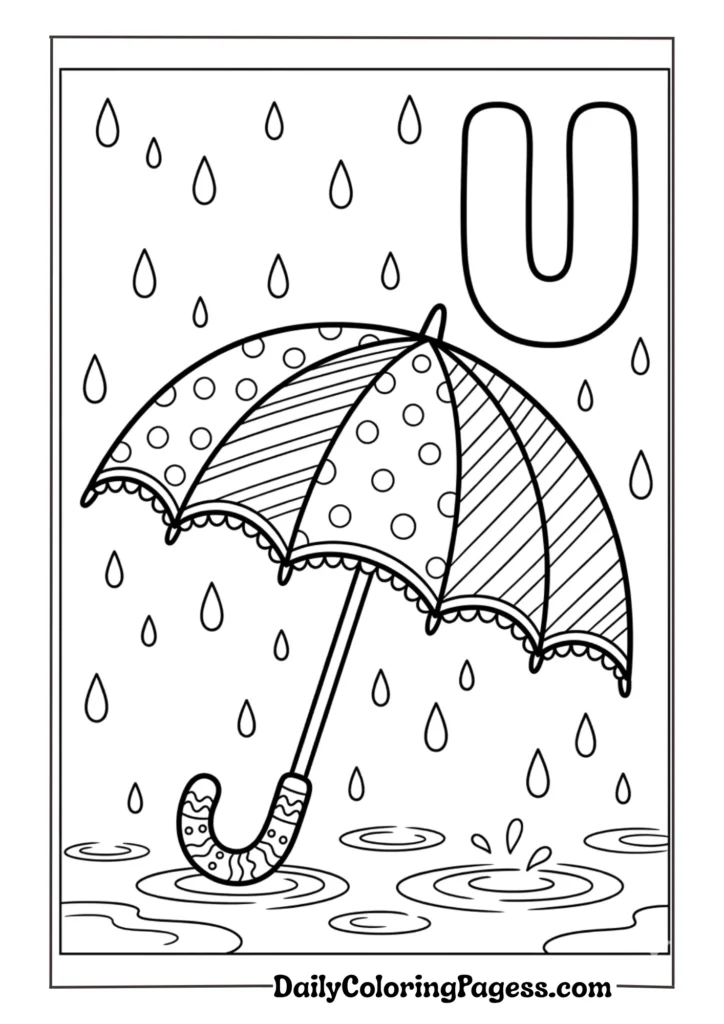
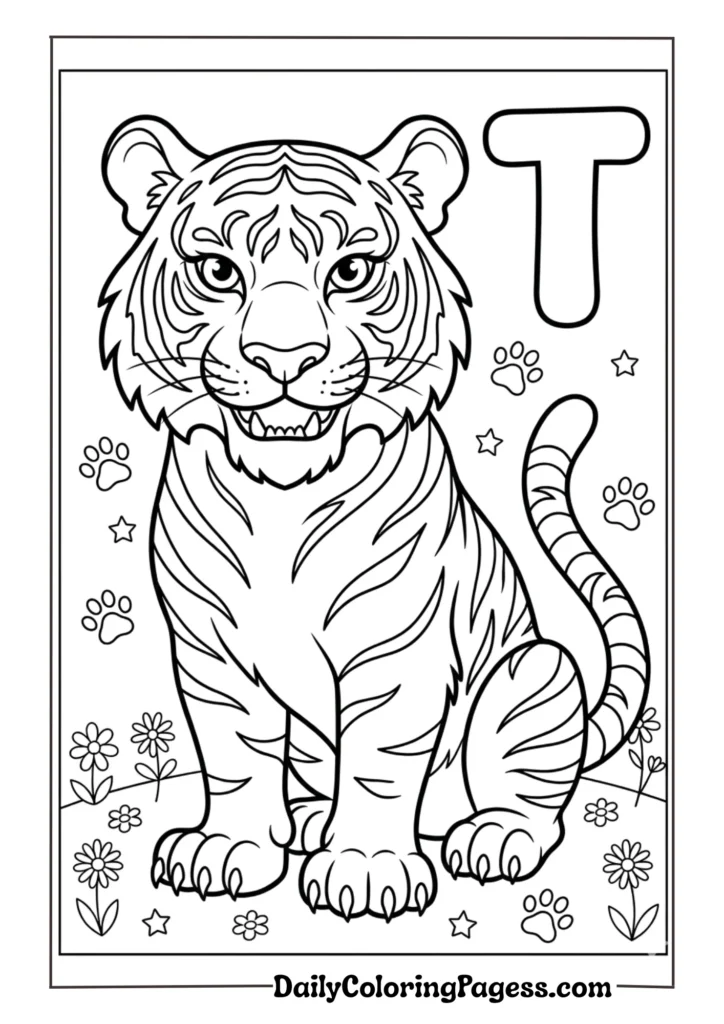
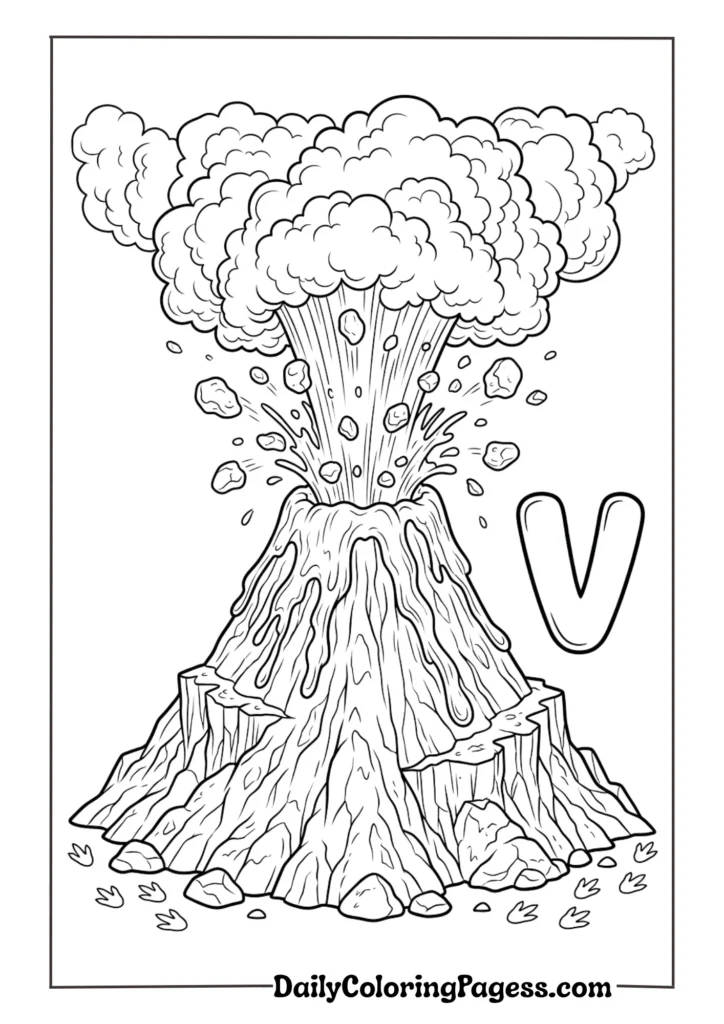
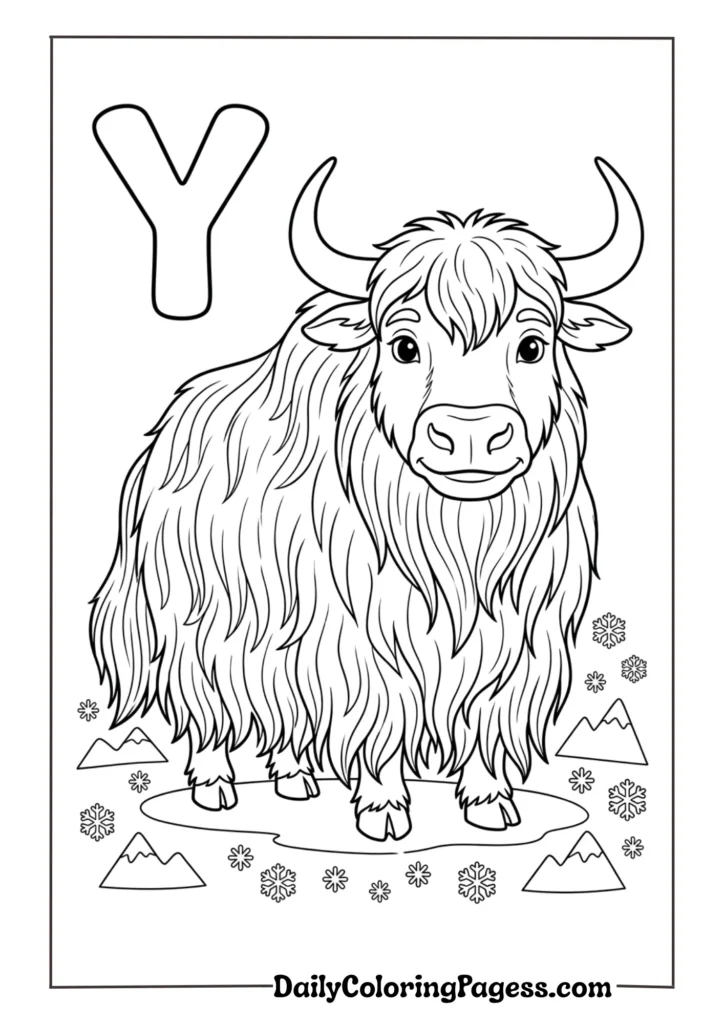
These free alphabet coloring pages take every letter from A to Z and pair it with a fun, familiar image that starts with that letter — A is for Alligator, B is for Butterfly, C is for Cat — and so on all the way through to Z is for Zebra. Each page gives children a large bold letter to color alongside a cheerful illustration, turning the serious business of learning the alphabet into something genuinely fun.
Whether you are a parent working on letters at home, a preschool or kindergarten teacher looking for a meaningful classroom activity, or a homeschooling family building a literacy curriculum — this complete A to Z collection is for you.
Every single page is completely free to download and print. No sign-up, no payment, no barriers. Just 26 beautiful alphabet coloring pages ready to bring to life with color.
Why Alphabet Coloring Pages Work So Well for Early Learners
There is a reason that alphabet coloring pages have been a staple of early childhood education for generations. They work — and modern understanding of how children learn helps us understand exactly why.
Multi-sensory learning: When a child colors an alphabet page they are engaging multiple senses and learning pathways simultaneously. They see the letter shape. They trace its outline with their eyes and pencil. They hear its name and sound. They associate it with the picture beside it. This multi-sensory engagement creates much stronger and more lasting memory connections than simply looking at a letter on a flashcard.
Letter shape recognition: Coloring the large bold letter on each page requires children to carefully observe and follow the letter’s shape. This focused visual attention helps children recognize and remember the unique shape of each letter — a critical skill for both reading and writing.
Phonics connection: Each page connects the letter to a word and image that starts with that letter sound. A is for Alligator reinforces the short A sound. B is for Butterfly reinforces the B sound. This phonics connection is the foundation of reading.
Fine motor development: Coloring within the lines of letters and illustrations builds the precise hand control that children need for writing. Every alphabet coloring session is simultaneously a handwriting preparation session.
Vocabulary building: Each letter introduces a new vocabulary word. Many of the animals and objects featured in this collection may be new to young children — expanding their vocabulary naturally and joyfully through the coloring experience.
Pride and ownership: A child who has colored all 26 letters of the alphabet has created something genuinely impressive — a complete personalized alphabet set. This sense of accomplishment builds confidence and a positive association with learning.
The Complete A to Z List
Here is every letter and its featured image in this collection:
| Letter | Image | Letter | Image |
|---|---|---|---|
| A | Alligator | N | Narwhal |
| B | Butterfly | O | Octopus |
| C | Cat | P | Penguin |
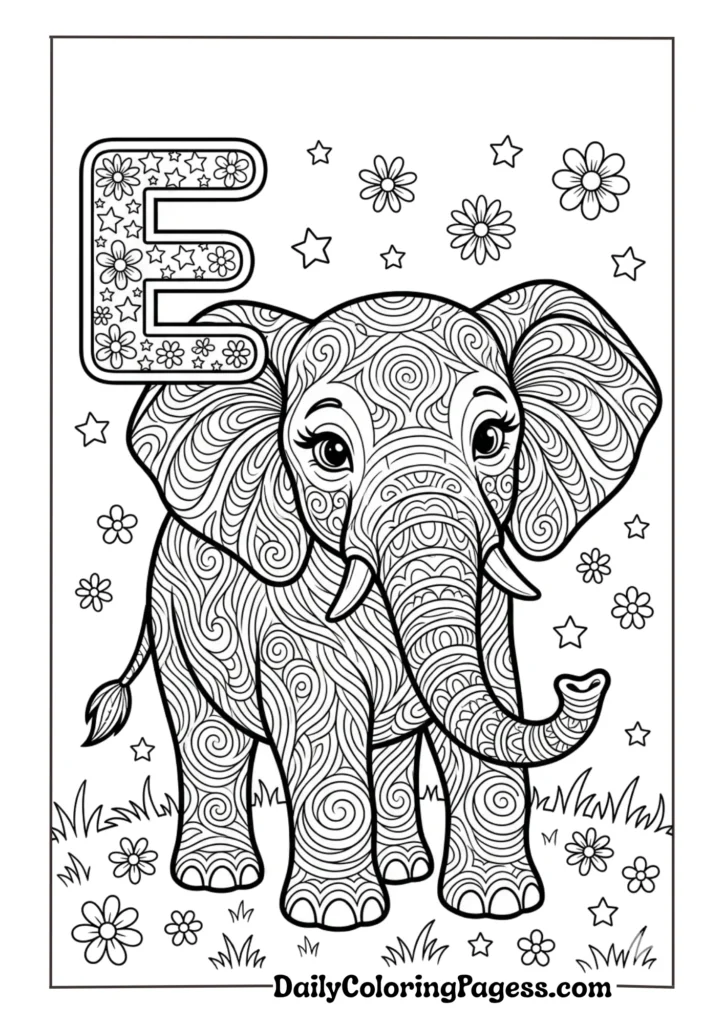
| D | Dog | Q | Queen |
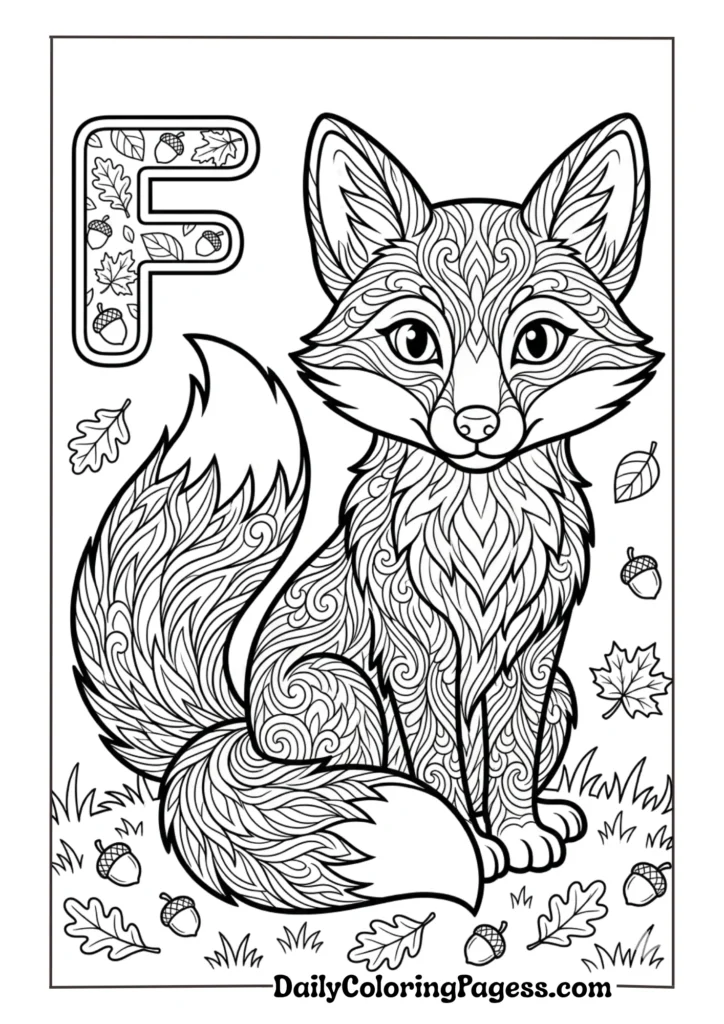
| E | Elephant | R | Rabbit |
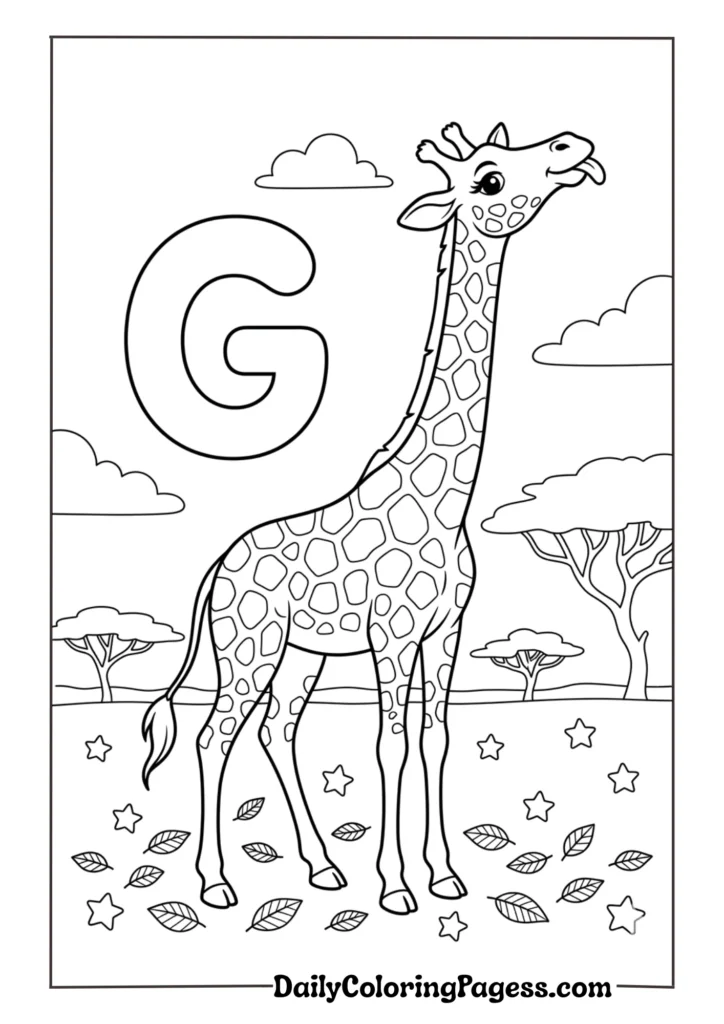
| F | Fox | S | Snake |
| G | Giraffe | T | Tiger |
| H | Horse | U | Umbrella |
| I | Iguana | V | Volcano |
| J | Jellyfish | W | Whale |
| K | Kangaroo | X | Xylophone |
| L | Lion | Y | Yak |
| M | Monkey | Z | Zebra |
How to Use These Alphabet Coloring Pages
These pages are incredibly versatile. Here are the best ways to use them at home and in the classroom:
One letter per week: Introduce one new letter each week and give children the corresponding coloring page. Spend the week focusing on that letter — finding it in books, practicing writing it, and naming words that start with that sound. The colored page becomes the anchor for the whole week’s learning.
Build a personal alphabet book: Give children all 26 pages to color over time. When complete bind the pages together with a simple staple or hole punch and ribbon. Each child now has a personalized alphabet book they colored themselves — one of the most meaningful early literacy tools you can create.
Alphabet wall display: Color all 26 pages and display them in order on a classroom or bedroom wall. A complete colorful alphabet display is both a beautiful decoration and a constant reference tool for children learning to read and write.
Letter hunt game: After coloring an alphabet page challenge children to find that letter everywhere — on food packaging, in books, on street signs, on their clothing labels. This letter hunt game builds real-world letter recognition and makes literacy feel exciting and relevant.
Storytelling prompt: Use the illustrated animal or object on each page as a storytelling prompt. A is for Alligator — tell me a story about an alligator. What is the alligator’s name? Where does it live? What is it doing today? This extends vocabulary and narrative thinking alongside letter learning.
Color and trace: Before coloring ask children to trace the letter shape with their finger first — feeling the shape of the letter with their whole hand. Then trace it lightly with a pencil before coloring. This multi-step approach reinforces the letter shape through multiple learning channels.
Tips for Coloring Alphabet Pages with Young Children
Use the correct colors: Encourage children to use realistic colors for the animals and objects — grey for the elephant, orange and black for the tiger, yellow for the giraffe. This reinforces real-world knowledge alongside letter learning.
Make the letter stand out: Suggest that children use a special color just for the letter itself — perhaps their favorite color or a bright bold color that makes the letter pop on the page. This helps the letter stand out visually and reinforces its importance on the page.
Talk while you color: The best alphabet coloring sessions are filled with conversation. What sound does this letter make? Can you think of another word that starts with this letter? Do you know anyone whose name starts with this letter? These conversations turn a coloring activity into a rich language development experience.
Display finished pages immediately: Put finished alphabet pages on the wall or refrigerator as soon as they are done. Children who see their work displayed feel proud and motivated to continue. A growing alphabet display is a wonderful visual record of progress.
Do not rush: Some children will want to spend a long time on each page adding details, choosing colors carefully, and talking about the animal or object. Let them. The learning happens in the process not in the speed of completion.
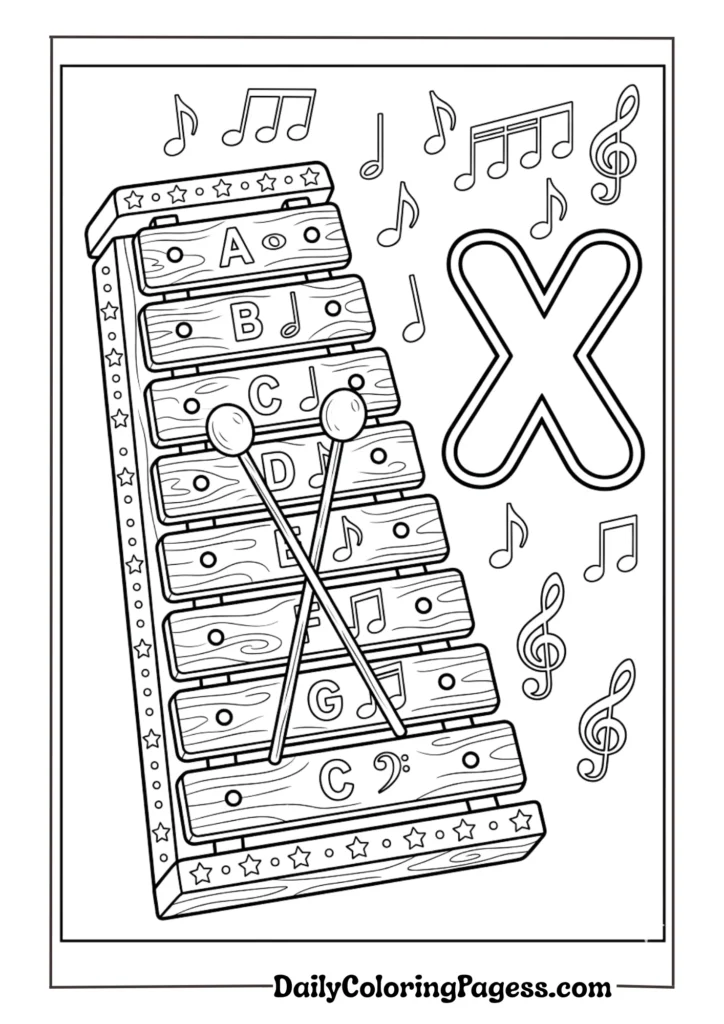
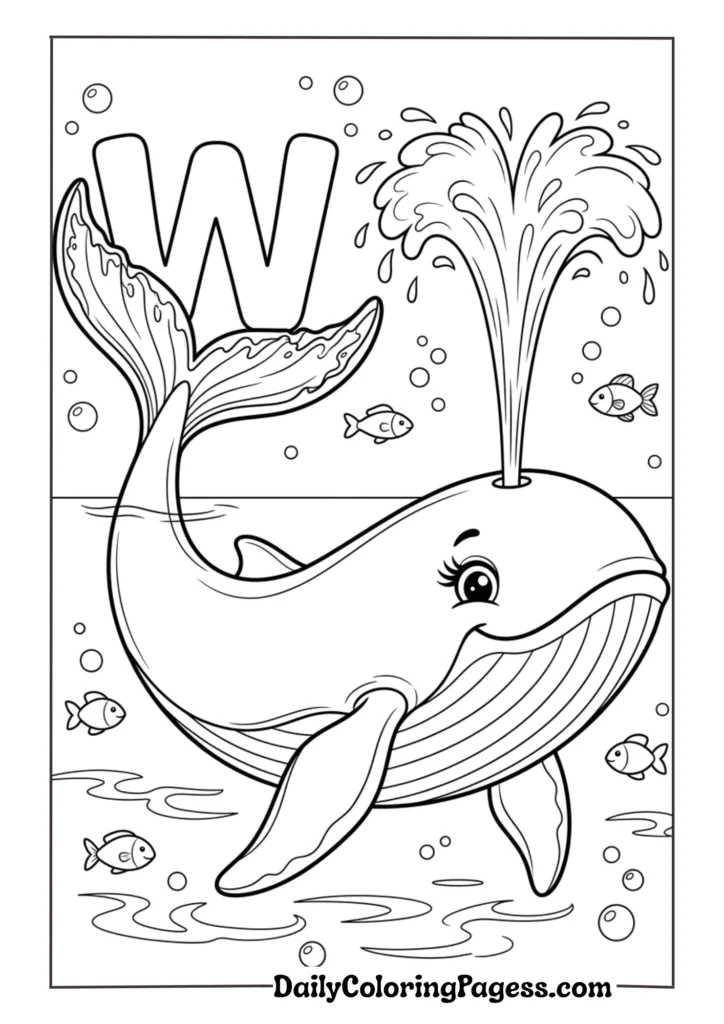
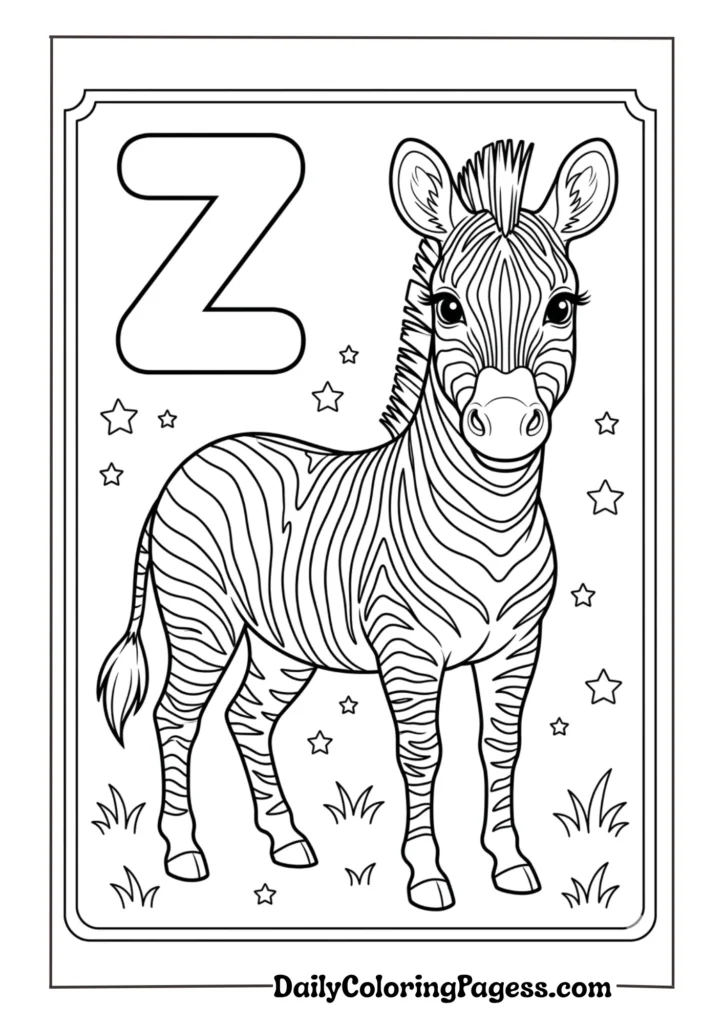
⬇️ Download All 26 Alphabet Coloring Pages — Free PDF
Ready to download the complete A to Z collection? Click the button below to get all 26 alphabet coloring pages as a free high resolution PDF. Every page is print ready and perfect for preschool, kindergarten, and home learning.
No sign-up required. Completely free. Print as many times as you like.
Frequently Asked Questions
Are these alphabet coloring pages really free? Yes, completely free. All 26 pages are available to download and print at no cost. No account, email address, or payment of any kind is required.
What age are these alphabet coloring pages suitable for? These pages are designed for children aged 2 to 7. The bold simple designs work well for toddlers aged 2 to 3 who are just being introduced to letters. The phonics connections and vocabulary building make them particularly valuable for preschoolers aged 3 to 5 and kindergartners aged 5 to 6.
Can I use these pages in my preschool or kindergarten classroom? Absolutely. All coloring pages on Daily Coloring Pages are free for personal and educational use including classroom activities, school events, and educational displays. Print as many copies as you need for your class.
Should children learn uppercase or lowercase letters first? Most early childhood educators recommend introducing uppercase letters first as they are simpler in shape and easier to distinguish from each other. These pages feature both uppercase and lowercase versions of each letter so children can learn both simultaneously.
How many letters should I introduce per week? Most kindergarten curricula introduce one to two new letters per week. One letter per week allows for deep thorough learning. Two letters per week moves through the alphabet faster but may be appropriate for children who are progressing quickly.
Can I print these pages multiple times? Yes — print as many copies as you like. Many teachers print multiple copies of the same letter page for the whole class to color together. Parents often print the same page several times so children can practice the same letter multiple times with different color choices.


